Look beyond the façade
A château and a villa can both suggest a private house for a remarkable weekend. The label, however, tells you very little about how the celebration will operate. One property may centre on a shared stay; another may host an event with most guests accommodated elsewhere. Begin with the experience you want to create, then ask each property to explain how it could work.
Write a short scene rather than a list of architectural features: where guests arrive, where they first gather, where they eat, where they dance and where they sleep. Add the people who need a quiet room, a step-free route or a nearby stay. This outline gives a proposal something concrete to answer.
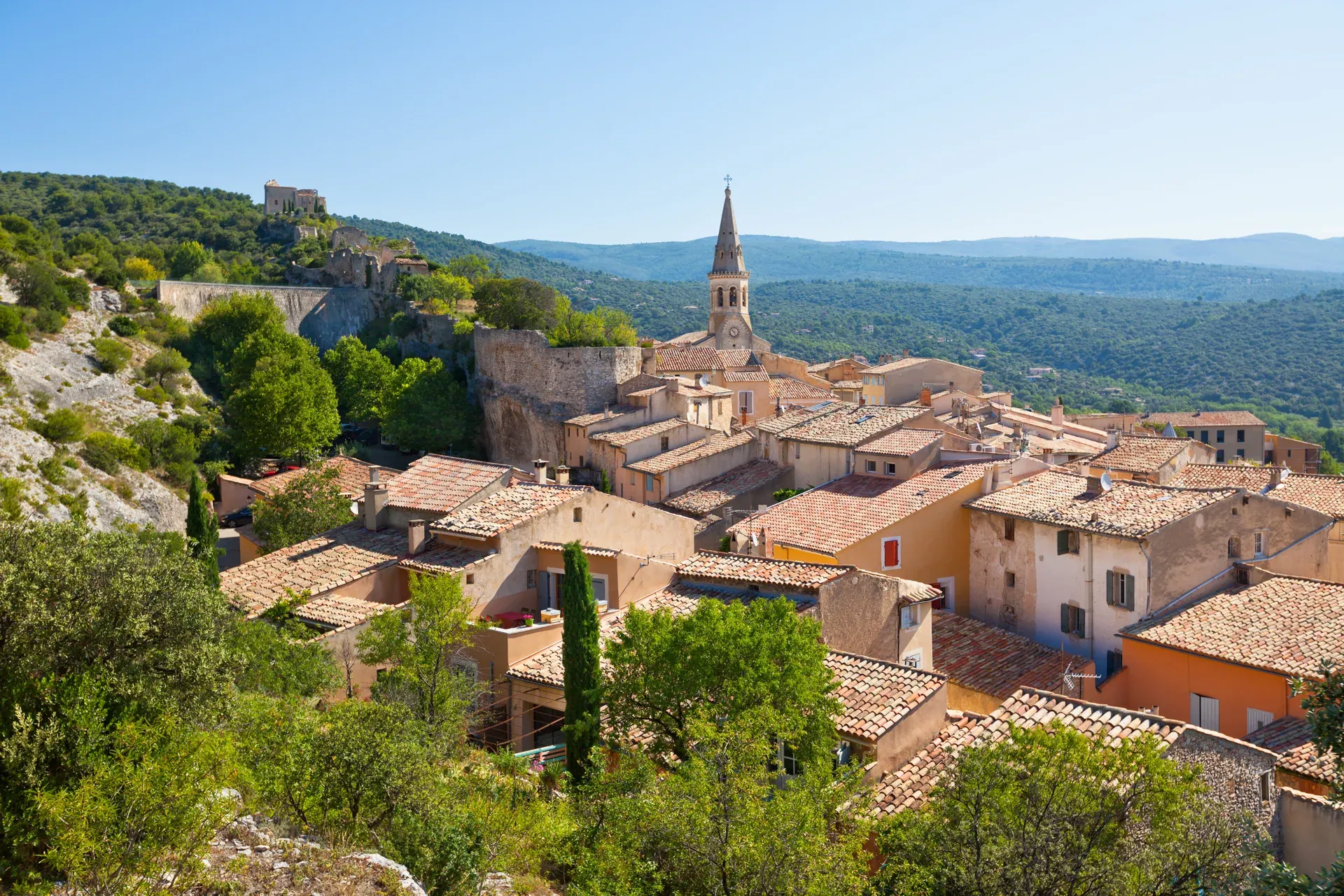
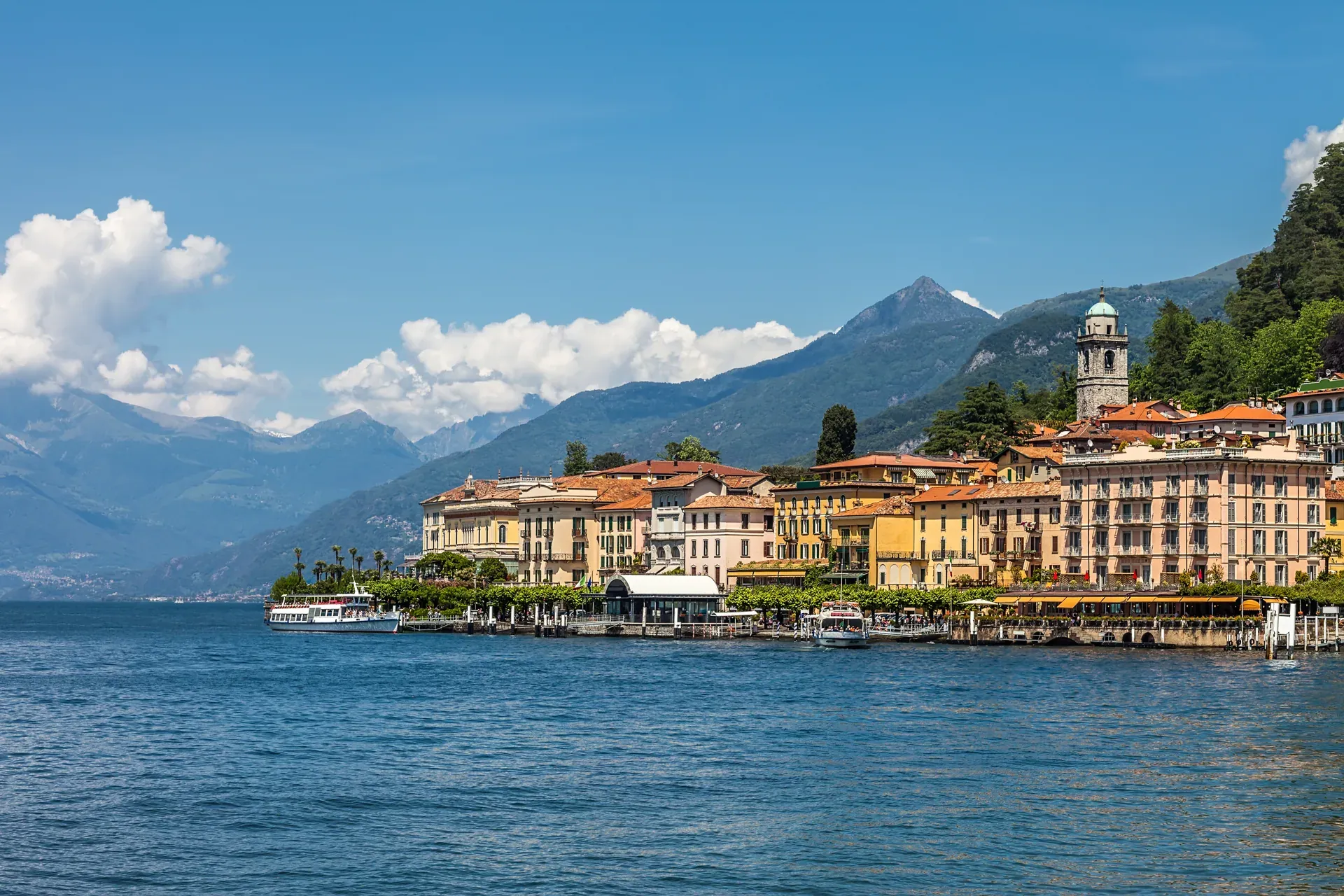
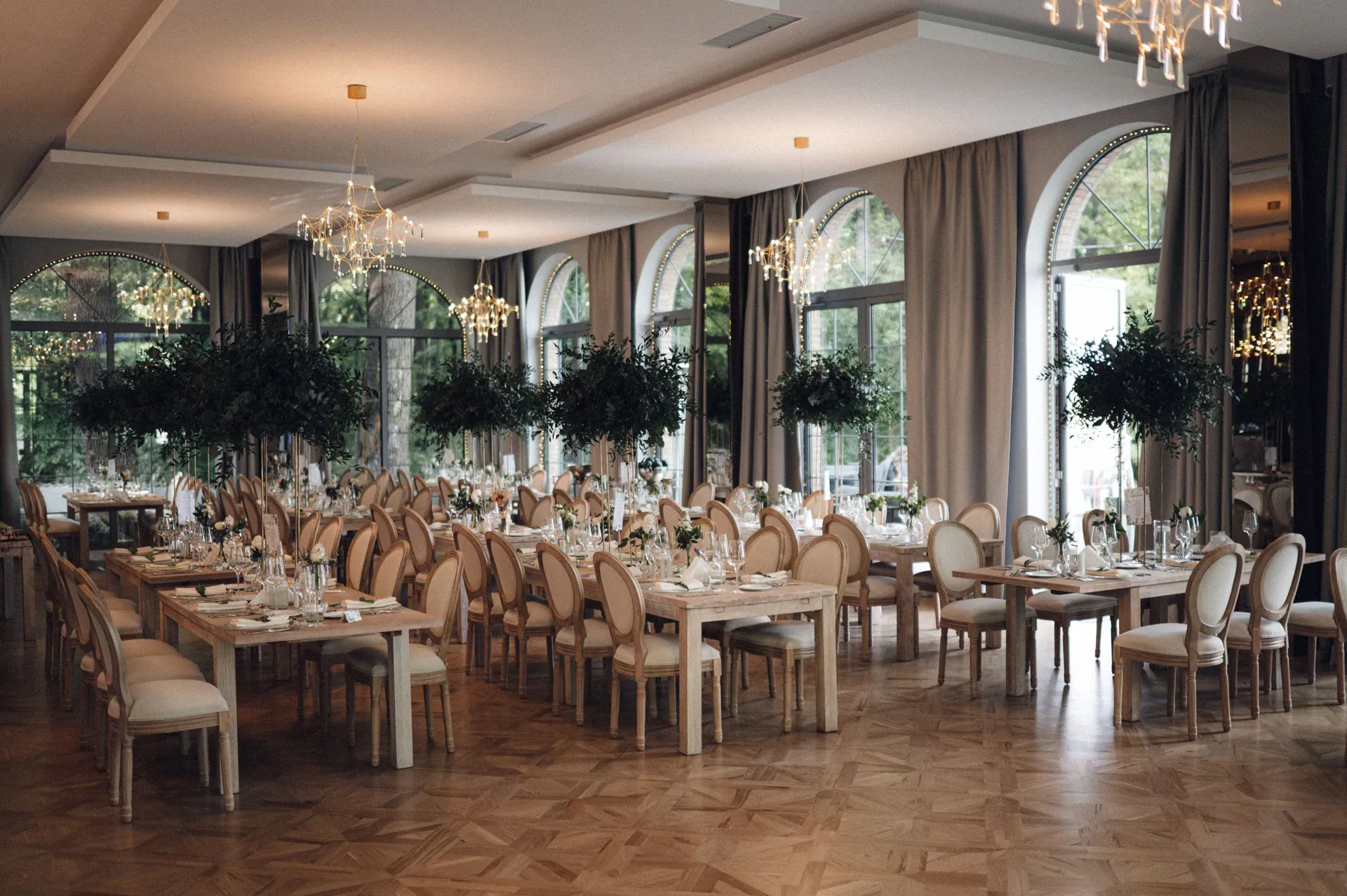
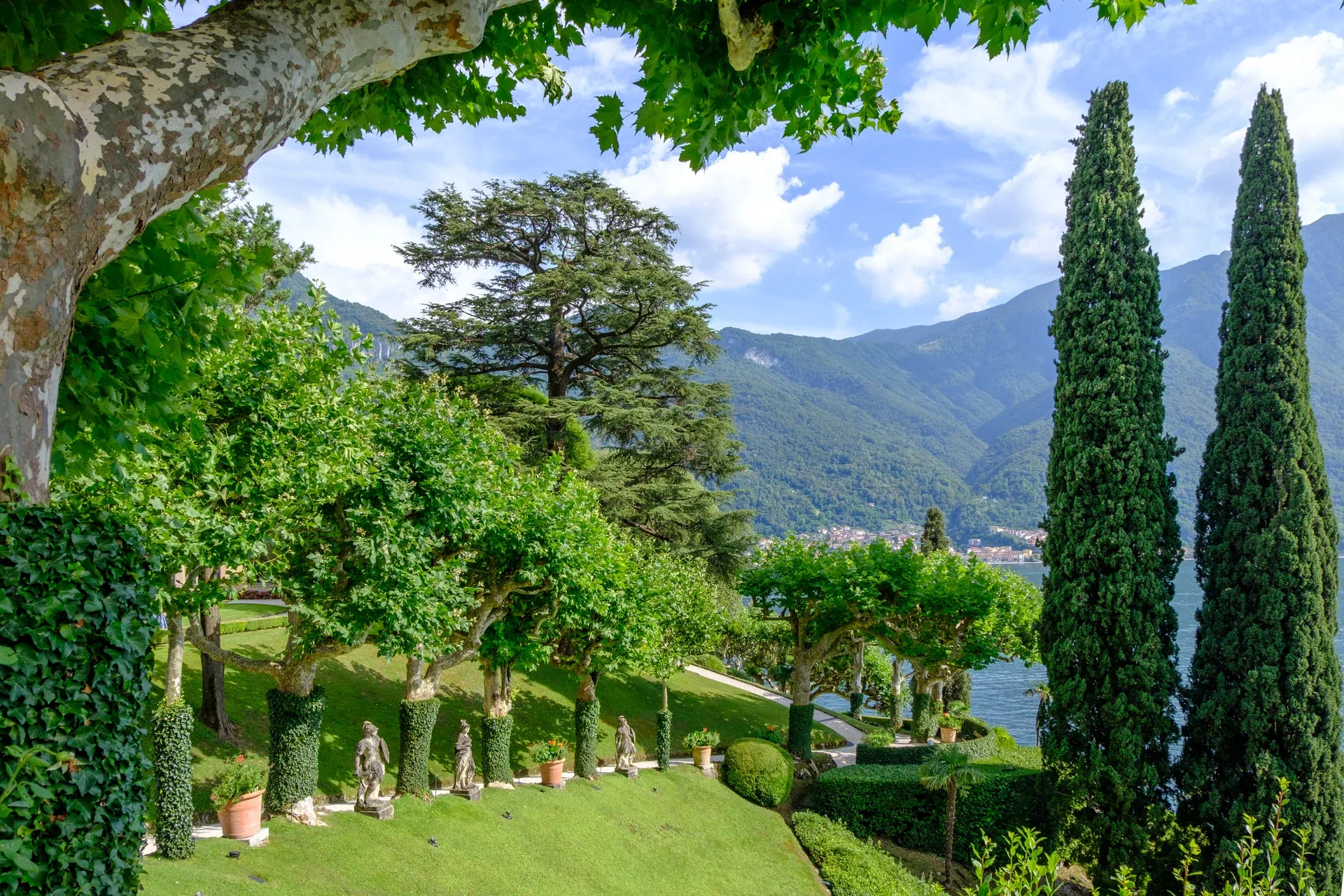
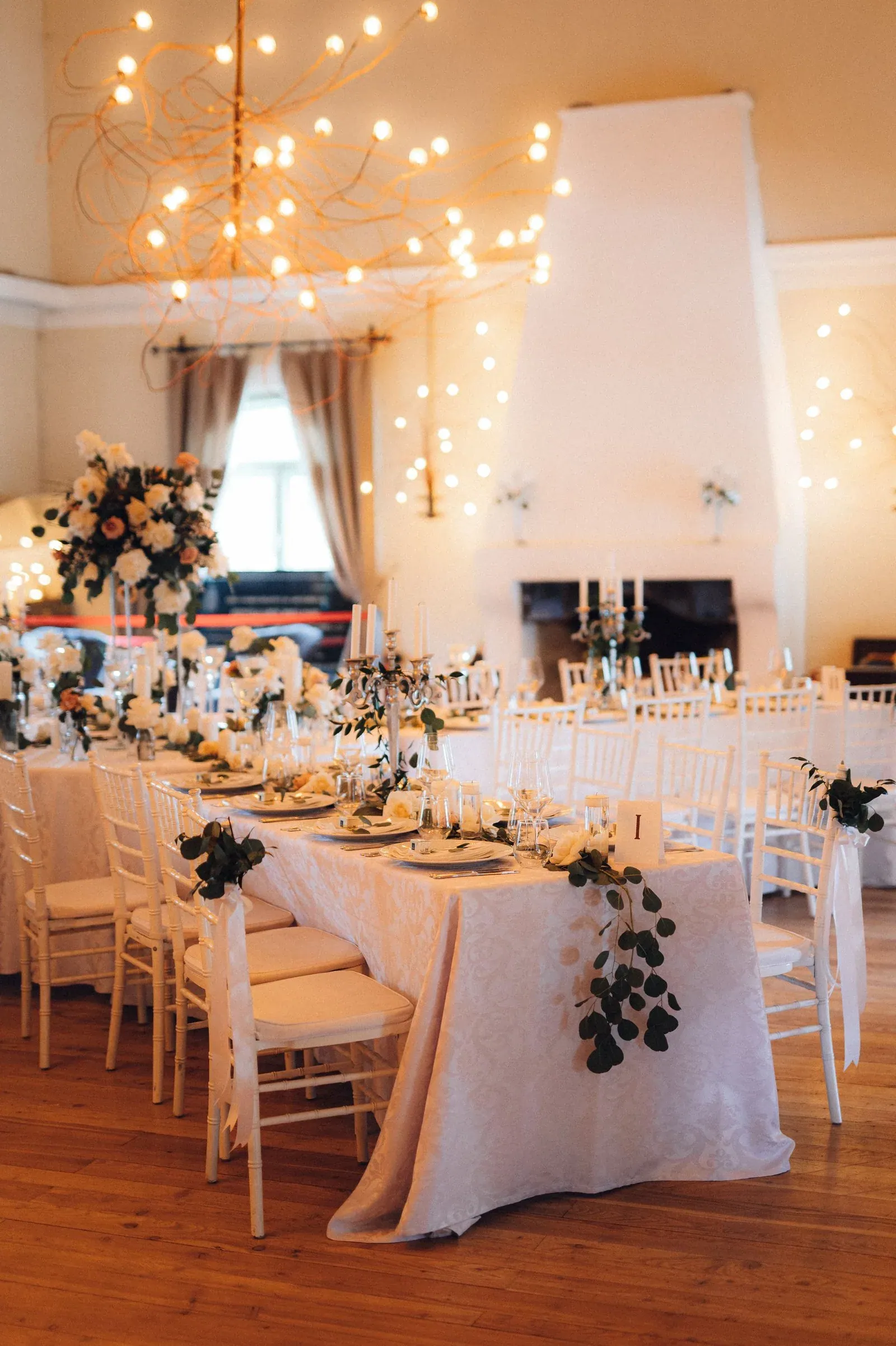
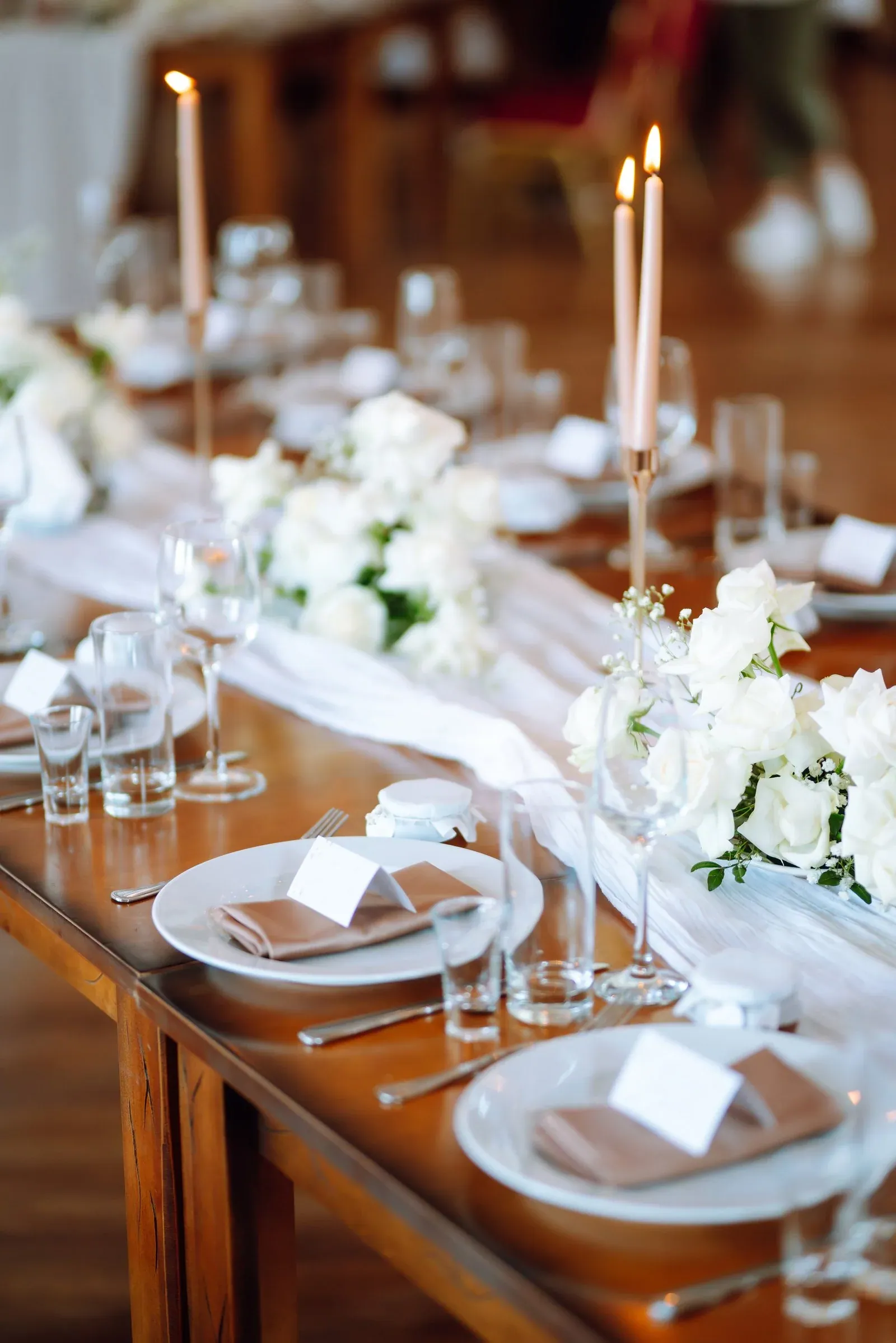
Treat inspiration images as a way to discuss atmosphere. They do not verify access, private use or permission for a ceremony. The stock photographs in this guide do not depict the two properties in the examples below, and neither example is a report of a Vowmora visit.
Two official descriptions, two different questions
The official Château de Tourreau overview describes accommodation for 29 guests in 16 rooms across the Château and Farm. The useful question is how those rooms would be allocated and how the two buildings fit your stay. Do not translate that accommodation figure into the number of people who can attend dinner or a ceremony; request event capacity and the permitted layouts separately.
Villa Balbiano’s official page describes six suites in its main palazzo, together with waterfront features including a private pier and boathouse. That raises a different set of questions: which guests stay in the house, where others stay, and how arrivals would connect to the event. The existence of a pier does not establish that every guest can arrive by boat or that a transfer is included.
These descriptions were checked on 8 October 2026. They are starting points for questions, not quotations or availability checks. Ask the property or its authorised team for current written details for your dates, party size and intended events.
Compare the experience on the same terms
Send both shortlisted properties the same outline. Request the accommodation scope, event spaces, use hours, staffing and proposed service arrangements. Ask what is included and what requires an external supplier. A beautiful setting becomes easier to assess when the proposal explains the working day behind it.
Private use needs boundaries. Clarify the buildings and outdoor areas included, who else may enter, any neighbouring activities and the hours in which the spaces are reserved. Ask how supplier deliveries and preparation coexist with guests staying on site. A quiet morning in the house should not be an assumption hidden between event bookings.
Walk through the route in words or on a plan. Where does a coach stop? How far is the dinner space from the ceremony? Which route works for someone who cannot use stairs? Ask for the complete indoor arrangement for your proposed number of people, including service and movement between spaces.
| Compare | Ask for | Avoid assuming |
|---|---|---|
| The stay | Room allocation, arrival and departure terms | Bedrooms equal event capacity |
| Private use | Named spaces, access and hours | The whole estate is always exclusive |
| The meal | Layout, catering and service arrangements | An image proves operational suitability |
| Weather alternative | A complete indoor layout for your group | Any indoor room is a sufficient backup |
| Arrivals | Confirmed routes and transport access | Waterfront means boat transfers are included |
The stay
- Ask for
- Room allocation, arrival and departure terms
- Avoid assuming
- Bedrooms equal event capacity
Private use
- Ask for
- Named spaces, access and hours
- Avoid assuming
- The whole estate is always exclusive
The meal
- Ask for
- Layout, catering and service arrangements
- Avoid assuming
- An image proves operational suitability
Weather alternative
- Ask for
- A complete indoor layout for your group
- Avoid assuming
- Any indoor room is a sufficient backup
Arrivals
- Ask for
- Confirmed routes and transport access
- Avoid assuming
- Waterfront means boat transfers are included
Let the setting support your style
Consider what the property already gives the celebration: the proportions of a room, a garden axis, a view or a particular light. You may prefer to let those features carry the design rather than introduce a large amount of decoration. Ask which changes are permitted before building the styling brief.
Bring the wardrobe and guest experience into the same conversation. A long entrance may call for a different pace from a short walk through a garden; a late dinner changes the timing of an outfit change. Let the actual route shape the practical choices while retaining the atmosphere that drew you to the setting.
When comparing, imagine the indoor version as carefully as the outdoor one. Does it still feel like your celebration? If it needs additional furniture, lighting or staffing, include those requirements in the proposal comparison rather than leaving them as a future problem.
Make the shortlist feel personal
After the practical questions, return to the experience you described at the start. Which setting makes it easiest to host the people you love in the way you want? A property that asks for fewer compromises may be more convincing than the one with the most striking façade.
Keep a comparison page with confirmed answers, unresolved points and a short personal note for each property. Discuss the remaining questions with your planner before committing. The aim is a clear choice with room for imagination, supported by terms that everyone understands.
Sources
Something needs a closer look? Our corrections approach.