Ask about real spaces
- Which exact spaces can host each event indoors?
- What seated capacity applies to our chosen layout?
- Can the ceremony and reception both move?
- How do catering, sound, photography and guest access change?
Agree the decision process
Ask who makes the decision to move, by when and who communicates it to suppliers and guests. Include setup responsibilities and any extra costs in the proposal.
Consider the guest experience
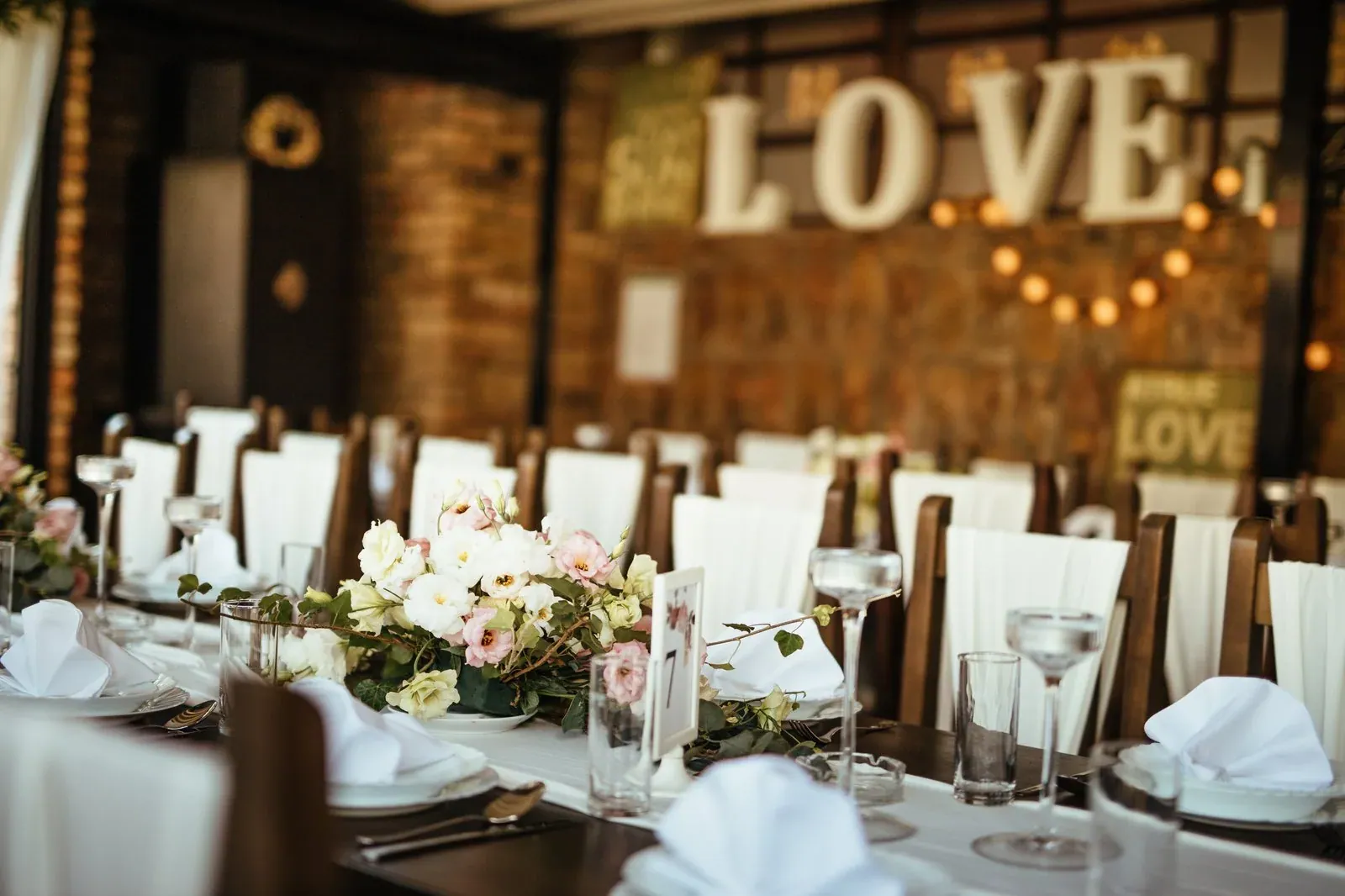
Review the indoor plan with the same care as the outdoor setting. Ask about the route between spaces, accessibility, comfort and how the celebration will flow.
Request written confirmation
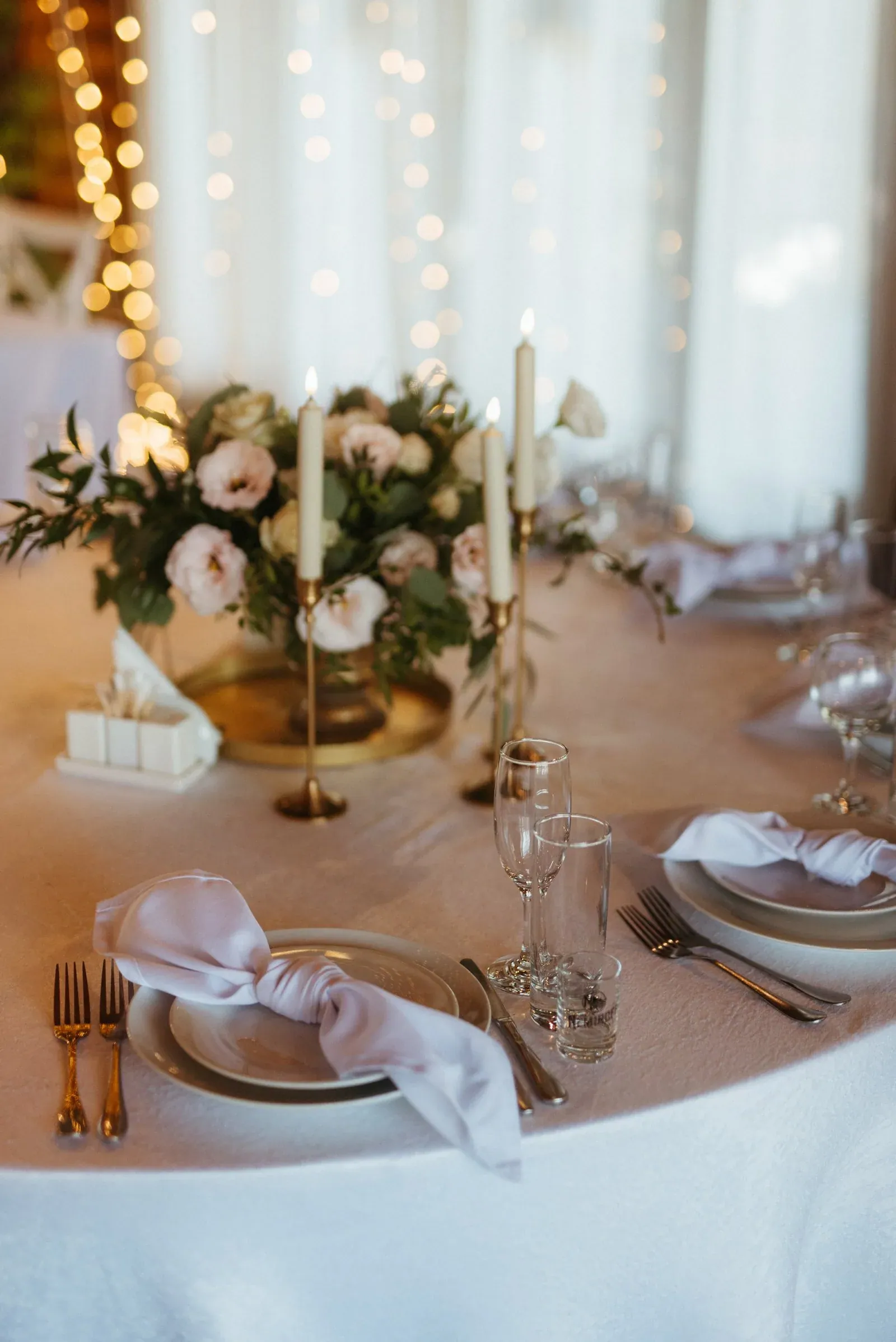
Keep the confirmed alternative layout, costs and decision process with the current venue proposal. Revisit them whenever the guest count, programme or suppliers change.
Walk through the alternative celebration
Picture the full sequence indoors: guests arrive, the ceremony takes place, drinks are served and everyone moves to dinner. Ask where each moment happens and whether the same room needs to be reset. Confirm who performs that reset, how long the team needs and where guests spend the interval. This brings the alternative into focus as a real celebration.
Use your intended seated layout and guest count. A room described by standing capacity may not answer your dinner question. Bring service routes, access, toilets and any music or dancing into the discussion. Ask the venue and suppliers to confirm their own limits rather than treating a floorplan as a promise of everything you need.
Give the indoor setting a visual point of view
Consider how the floral design, lighting and table arrangements work in the alternative room. Ask which elements can move, which need a separate setup and which depend on the agreed production window. Avoid committing to two complete designs before you understand the venue’s practical plan.
Discuss the photography programme with your chosen photographer using the actual spaces. Identify a place for portraits and the route between events without promising a particular weather condition or light. A considered alternative allows the setting to change while keeping the celebration coherent.
Record one decision and communication process
Name the person who makes the move decision, the information they will use and the deadline the teams need. Confirm which suppliers are told, how guests receive updated directions and which costs apply. Keep a current contact outline with the planner rather than distributing private details publicly.
Ask what happens if conditions change after setup begins. The answer may depend on the property, equipment and suppliers; there is no universal switch time for a European wedding. Keep the confirmed process beside your proposal and review it when the guest count or event programme changes.
Sources
Something needs a closer look? Our corrections approach.