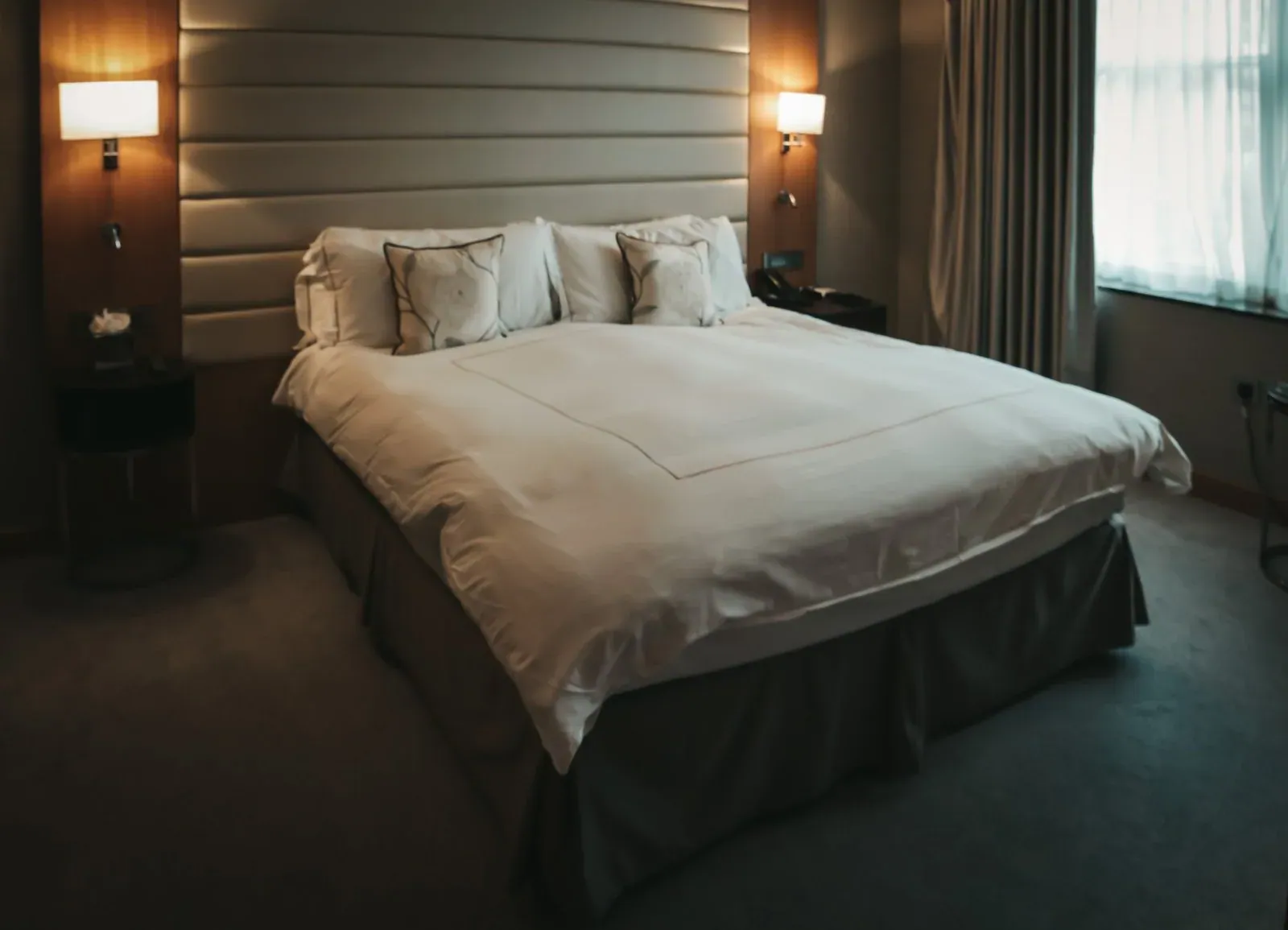
Give the weekend a rhythm
A destination wedding can feel generous without filling every hour. The welcome allows people to settle in and meet; the wedding day carries the main celebration; the farewell offers a quiet last moment together. Give each gathering a purpose before deciding how it will look. A coherent rhythm is more useful than three events with the same level of formality.
Begin with a rough arrival and departure outline. You do not need to collect every guest’s detailed movements to notice that some people will arrive late or leave early. Ask which parts of the programme are essential and which can remain optional. That distinction helps you write an invitation that feels warm rather than demanding.
Build the outline with your planner and venues, using the actual access hours, staffing arrangements and distances in their proposals. Our examples below are editorial starting points, not a ready-made itinerary for a particular property. The schedule needs to work for the places and people you choose.
Make arrival feel effortless
The most useful welcome detail may be a clear message sent before anyone sets off. Give guests the correct meeting point, the confirmed check-in arrangements, the next event’s time and the person to contact if plans change. Keep the note short enough to use while travelling. Separate confirmed arrangements from suggestions for free time.
If transport is arranged, explain where and when it leaves and what a late arrival should do. Avoid a plan that depends on a guest guessing which entrance, boat landing or hotel lobby you mean. Review the wording with the person operating the transfer so the information matches the service.
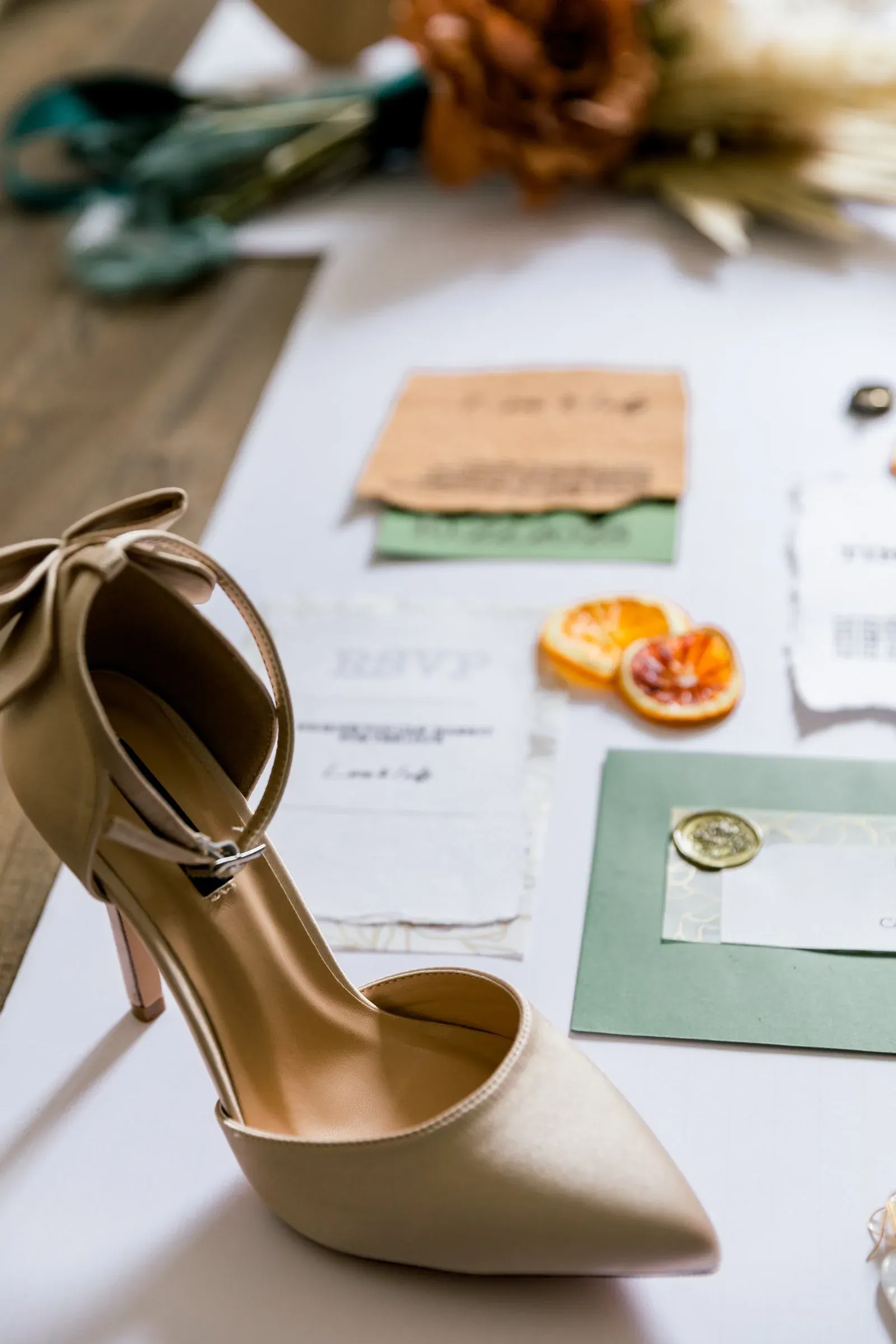
A small welcome note can carry the weekend’s visual language without becoming another object to manage. Use the same type, restrained colour and concise tone as the invitation. Include what the guest will need next, not a long list of decorative instructions.
Choose a welcome that has its own character
Decide whether the first gathering is a seated meal, drinks with something to eat or a smaller dinner for a clearly identified group. Say who is invited, what is hosted and when it ends. A welcome becomes easier to enjoy when guests understand its shape and can plan around it.
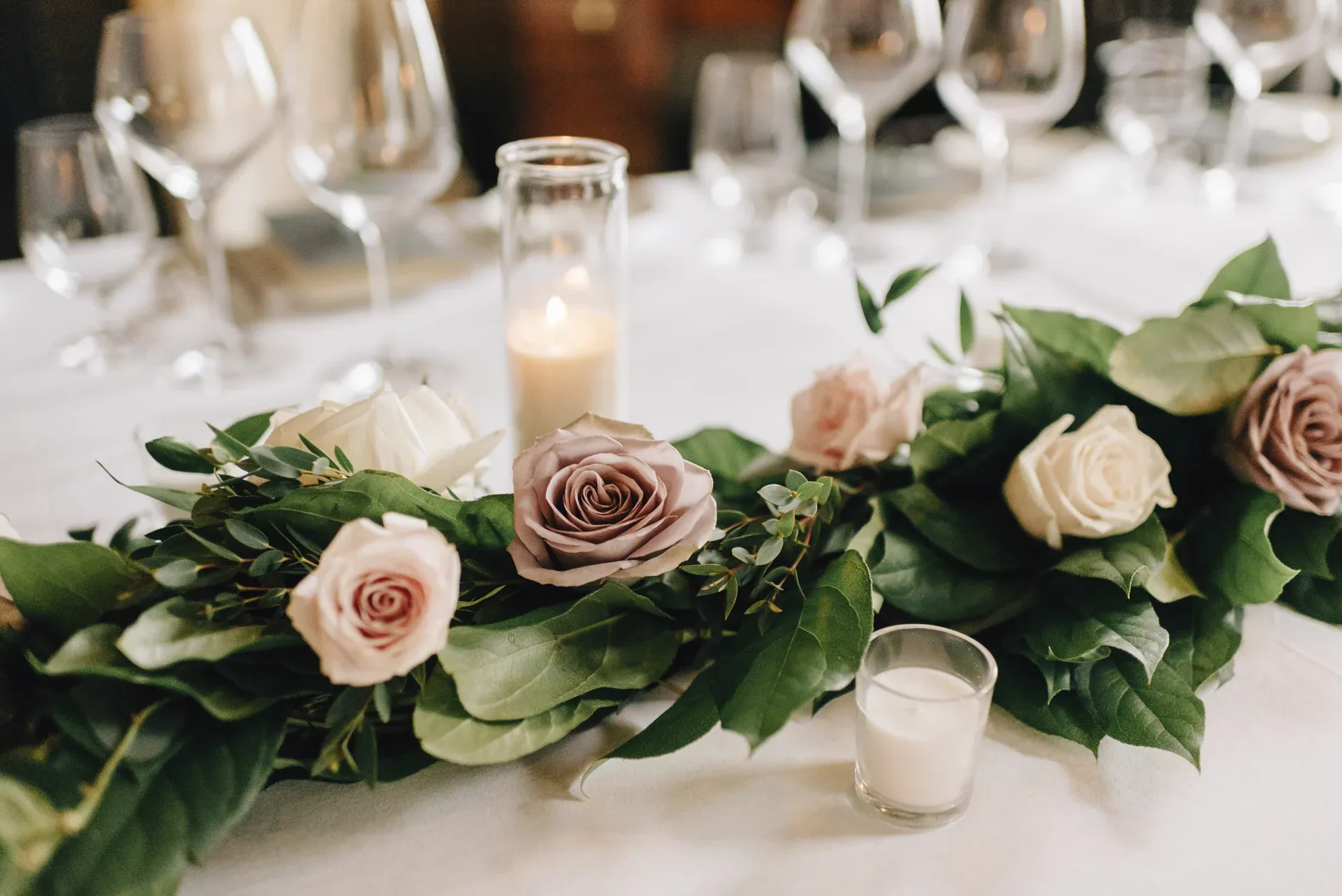
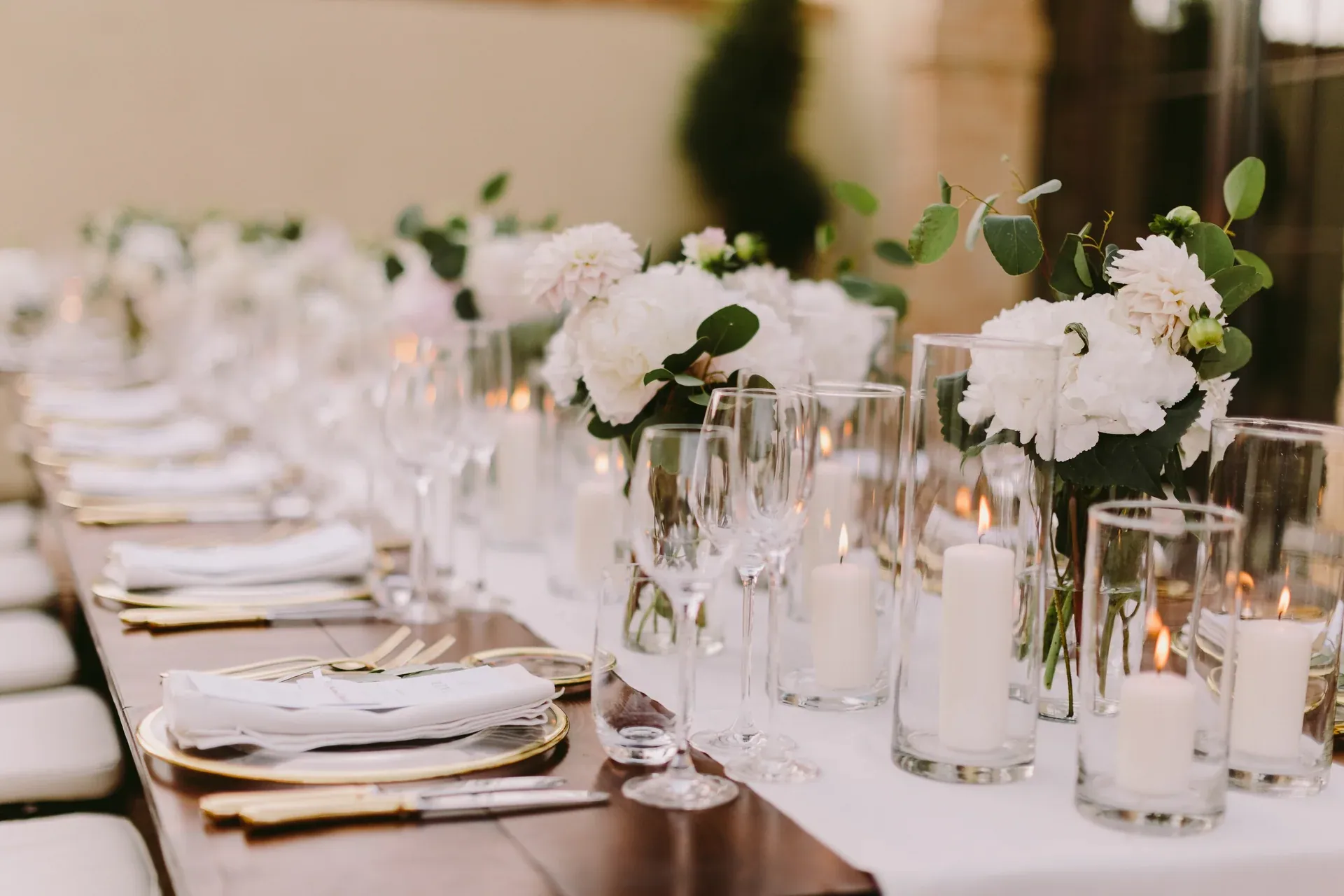
For a seated dinner, think about conversation and the way new acquaintances will meet. Ask the catering team about the service rhythm, seating and dietary arrangements; do not leave those decisions to the visual table brief. Linen, flowers and candlelight can support a beautiful meal, but they cannot replace a workable service plan.
A drinks gathering may give people more freedom to arrive within a window. Confirm how food will be served and how the space works if everyone arrives at once. An informal description should still provide a practical dress note and a clear finish, particularly if the following morning starts early.
Leave space for the place
Protect a stretch of time in which guests can rest, explore or simply sit together. An optional walk or a few personally chosen recommendations can be enough. Confirm local availability before presenting an activity as bookable, and make any additional cost clear. A recommendation should not turn into an unexpected obligation.
Think about who might prefer a different pace. Some guests will want an early night; others may be travelling with children or have access needs. Ask how the programme can accommodate those differences without putting personal details in a public schedule. Keep an appropriate private contact for individual arrangements.
A useful test is to read the itinerary as someone who knows nobody except the couple. Is there an obvious place to arrive? Enough information to feel at ease? Time to make a new connection? If the plan works for that person, it is likely to feel more welcoming for everyone.
Make the farewell easy to join
Work backwards from departures. A long formal meal may not suit a morning of flights and check-out times. A breakfast window or a shorter gathering might fit better, provided the venue confirms the service, luggage storage and access arrangements. Let guests know whether they need to attend at a set time or can come when it suits their journey.
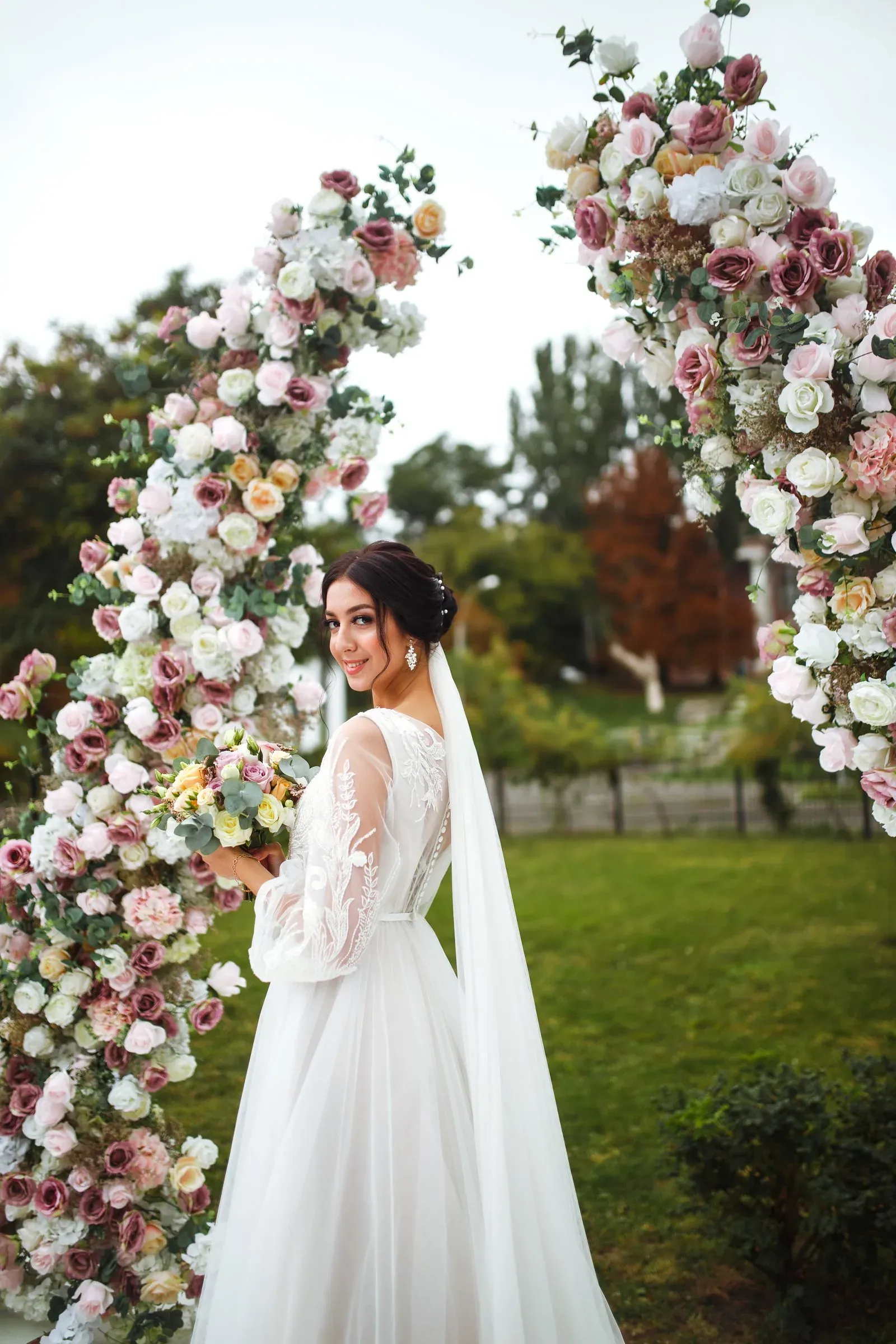
Keep the final meal distinct from the reception. You might return to a favourite colour or a simple detail from the welcome, with a lighter table and fewer formal moments. The connection can be quiet. It does not require a new theme, another outfit or a further set of instructions for guests.
Before the weekend, agree who handles the practical finish: outstanding venue questions, collected belongings and the last transfer. Those responsibilities should not fall to a guest who happens to be nearby. A thoughtful farewell gives you room to say goodbye instead of managing the departure desk.
A weekend brief worth keeping
Bring the programme onto one page for the team, then make a shorter version for guests. Every event should have a purpose, an invitation group, a confirmed location and a responsible contact. If one line cannot be answered, resolve it before circulating the schedule.
| Moment | The host’s question | The guest should know |
|---|---|---|
| Arrival | Who receives a delayed guest? | Meeting point and useful contact |
| Welcome | How will people meet and eat? | Invitation scope, timing and dress note |
| Free time | What is optional and what is confirmed? | Choices, access and any additional costs |
| Farewell | How does this fit departures? | Service window, check-out and transport |
Arrival
- The host’s question
- Who receives a delayed guest?
- The guest should know
- Meeting point and useful contact
Welcome
- The host’s question
- How will people meet and eat?
- The guest should know
- Invitation scope, timing and dress note
Free time
- The host’s question
- What is optional and what is confirmed?
- The guest should know
- Choices, access and any additional costs
Farewell
- The host’s question
- How does this fit departures?
- The guest should know
- Service window, check-out and transport
Sources
Something needs a closer look? Our corrections approach.