Start with the weekend, then choose the clothes
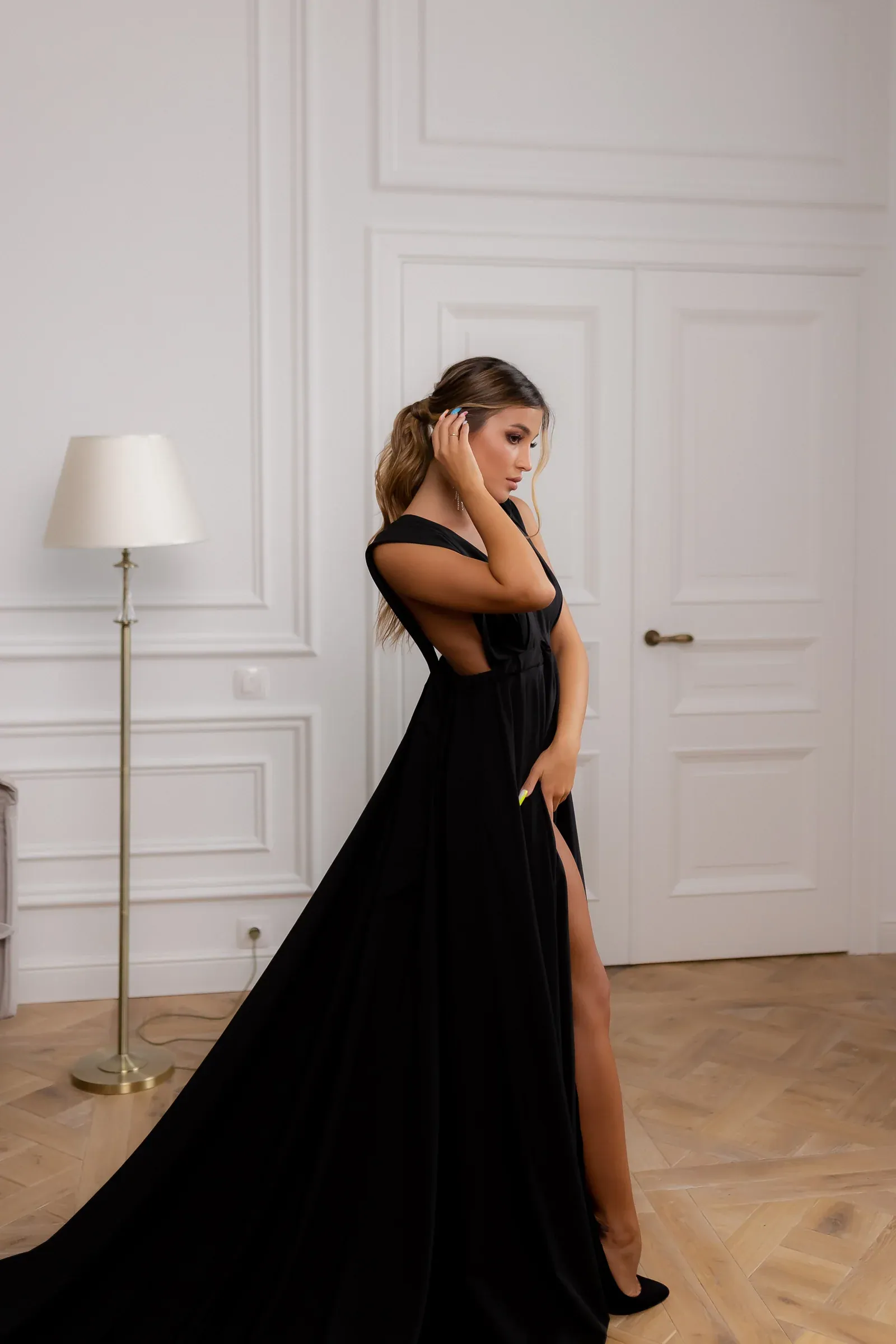
A wedding wardrobe feels considered when every look belongs to a particular moment. Before an appointment at an atelier, write down where you will be, who will be there and how much time you have between events. A terrace welcome drink, a ceremonial entrance and a late dinner ask different things of an outfit. The aim is a clear rhythm rather than a new look for every photograph.
Make a one-page wardrobe brief alongside the event schedule. Include the setting, the invitation dress code, the planned shoes and any movement involved: stairs, a garden path, a boat transfer or a long seated dinner. Share the brief with the people preparing your clothes. These details give a fitting a practical purpose and help the finished silhouette feel at ease in its surroundings.
Give the welcome and farewell their own tone
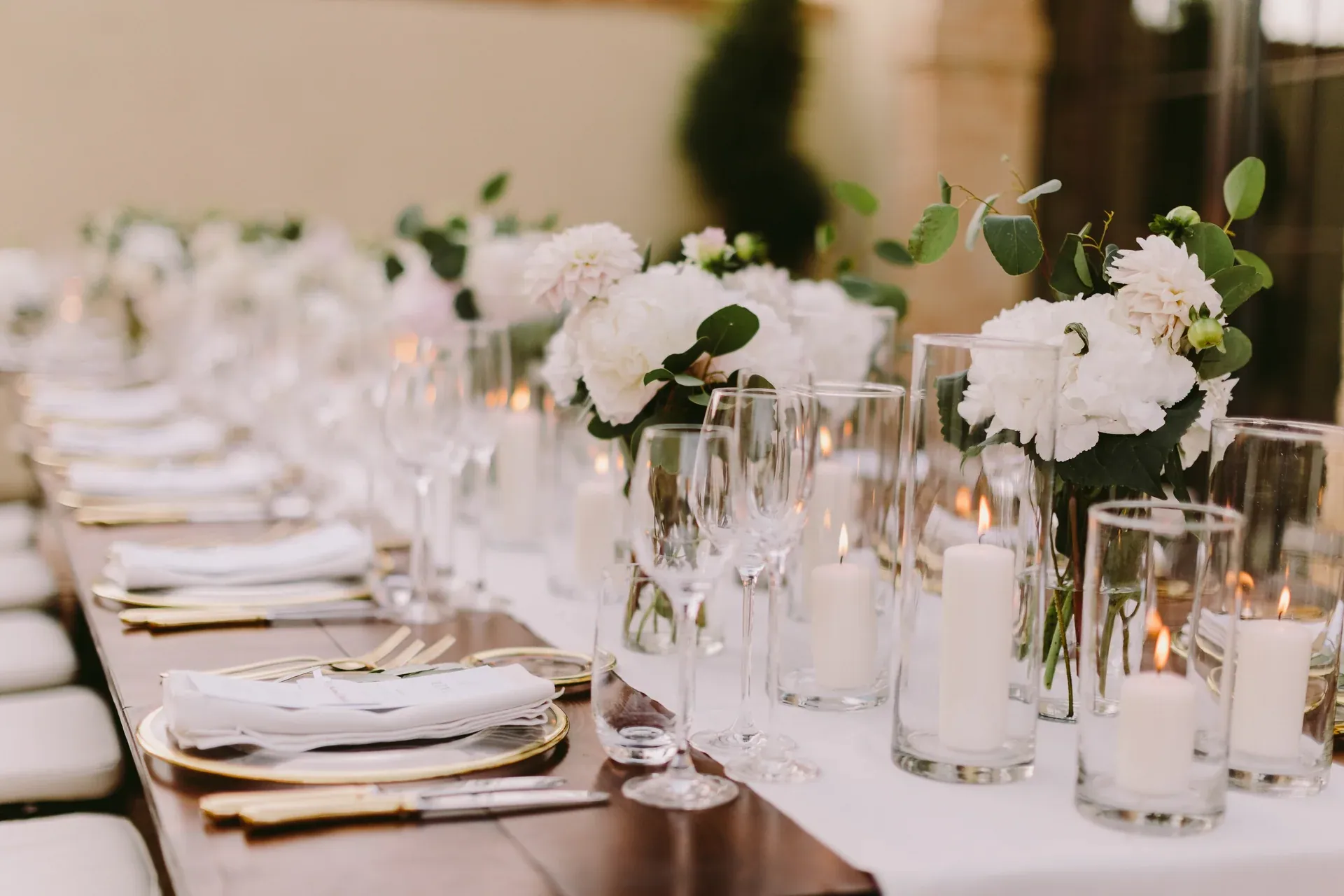
For the welcome gathering, decide whether you are hosting a seated dinner, an informal drink or a longer evening. Choose a look that lets you greet people, sit comfortably and move through the space. A shared colour story or a recurring detail can connect it with the ceremony wardrobe without making every outfit look identical.
The farewell is an opportunity to simplify. Plan around departure times, the breakfast setting and whether you will travel straight afterwards. A complete look includes the layer, shoes and bag you will actually use. This is also a sensible moment to repeat an accessory you love rather than commission another piece solely for the schedule.
Let ceremony requirements lead the fitting brief
Ask the ceremony venue or officiant about any clothing requirements before finalising the look. Expectations can depend on the particular place of worship or ceremony; a destination name alone does not tell you what is appropriate. Take these details to the fitting alongside the ceremony timing and the route from your preparation room.
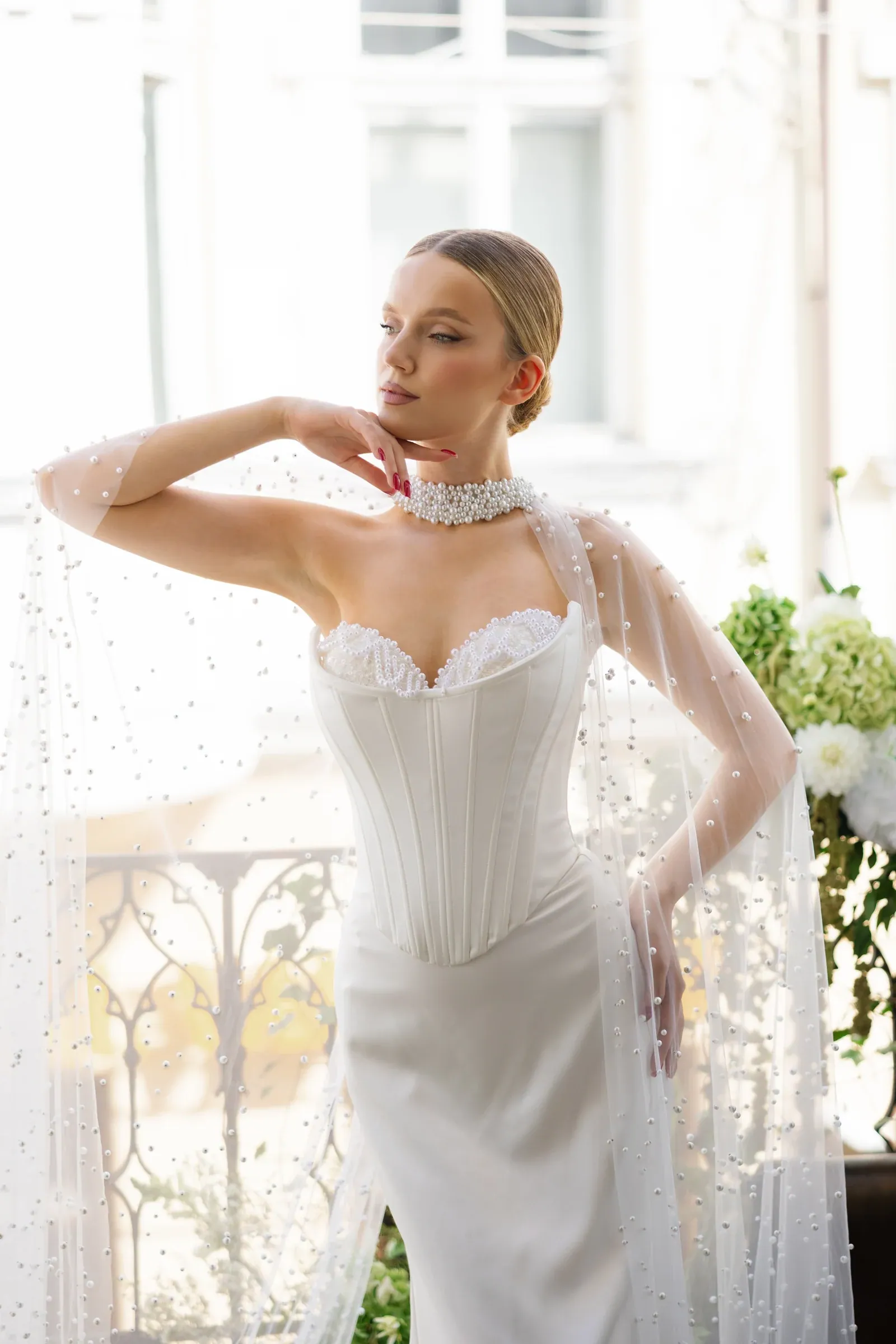
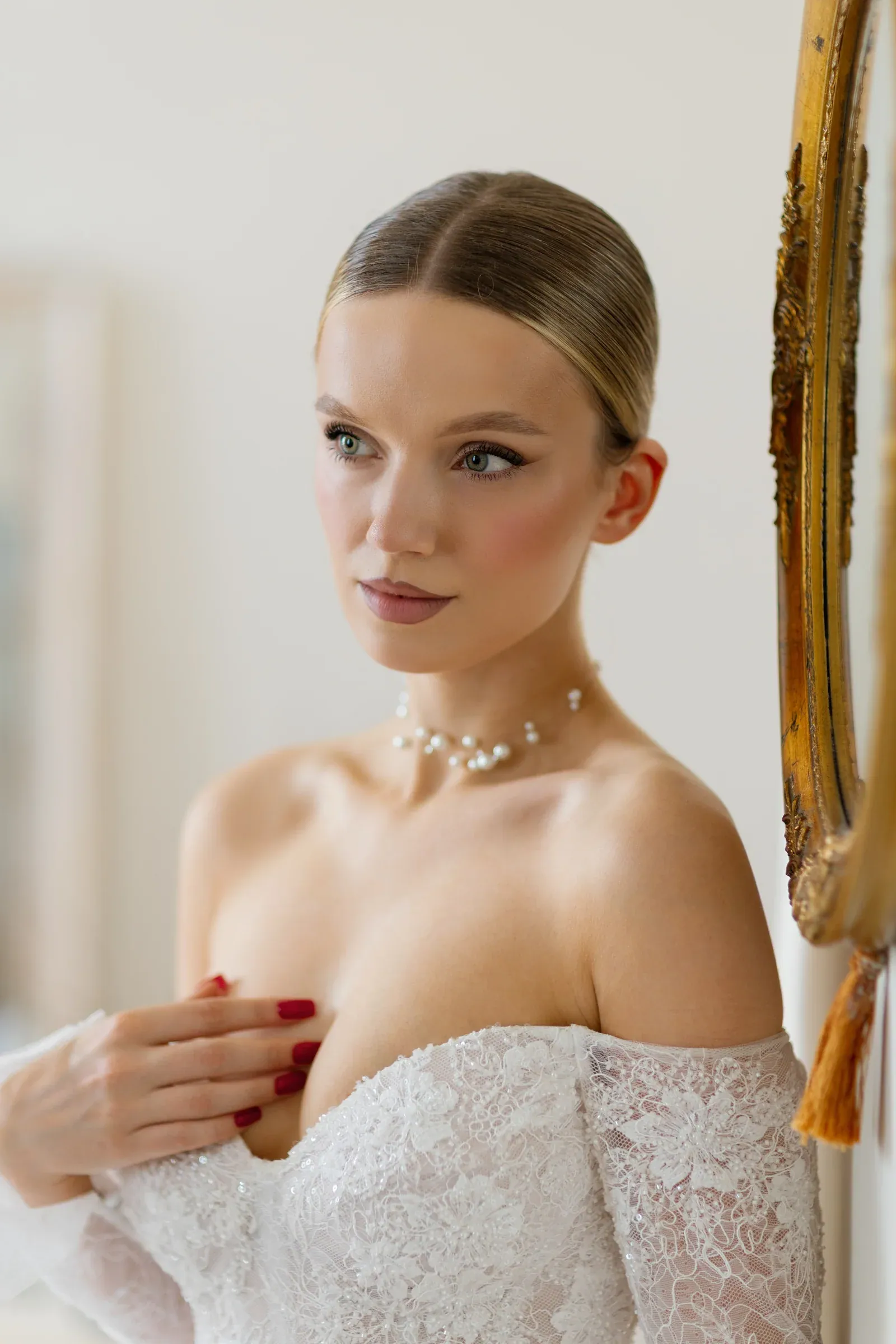
Try the dress with the intended shoes and underlayers. Discuss sitting, walking, using the stairs and any bustle or fastening with the atelier. Ask who will help on the day and how long dressing should take. For fabric care, pressing and repairs, request advice specific to the finished garment. A general packing tip cannot replace instructions for its construction and embellishment.
Make an outfit change earn its place
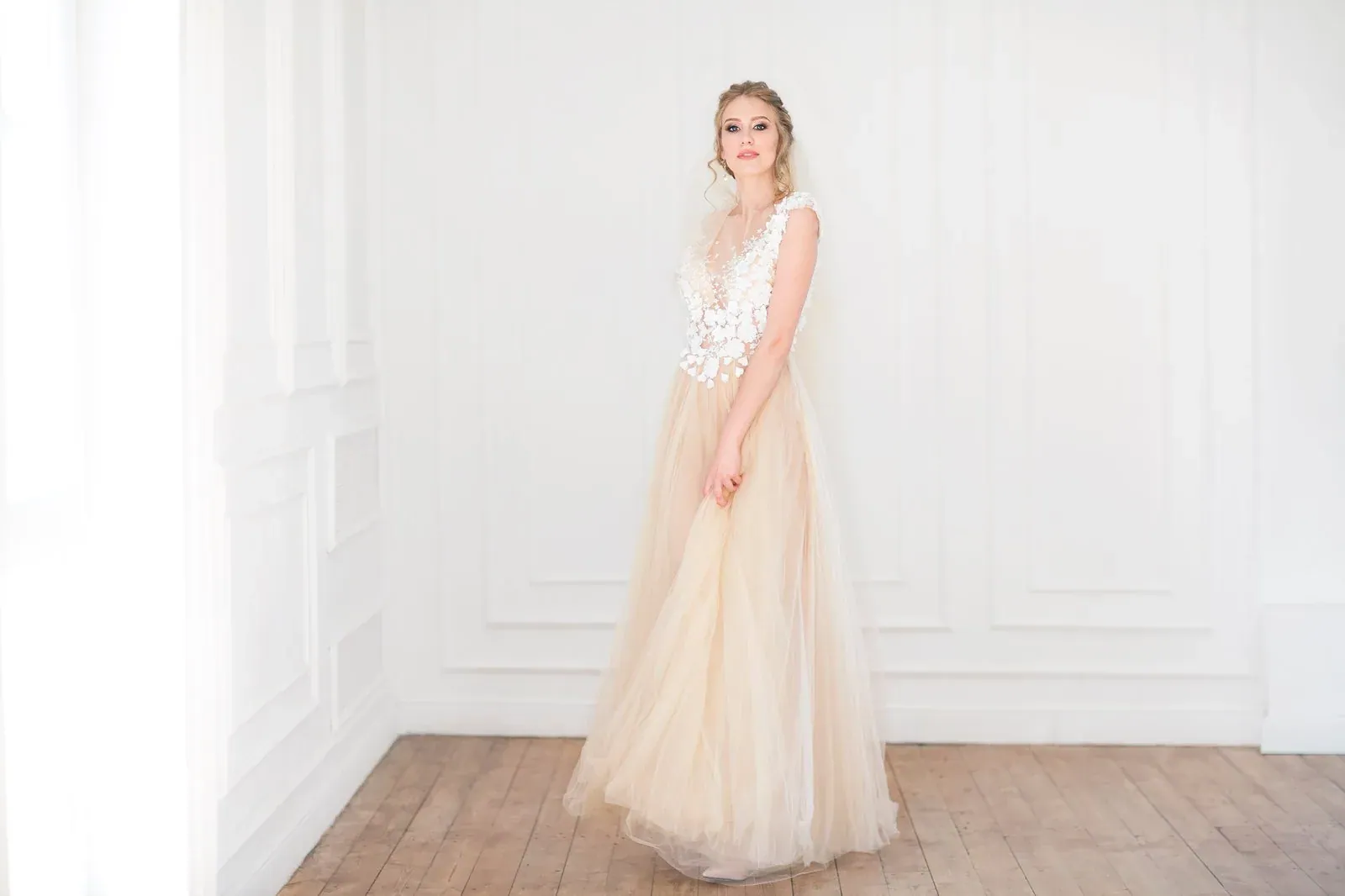
A second look should solve something you want from the evening: a different silhouette, easier movement or a change in mood. Put the change in the actual schedule. Agree where it happens, who brings the next look and how the first is stored. Include the time needed for shoes, jewellery and any hair adjustments rather than treating the dress itself as the whole change.
For guest dress codes, use wording that gives a clear level of formality. The Emily Post Institute distinguishes black tie from black tie optional; the latter offers guests more formal alternatives. Check the host’s wording rather than guessing from photographs. If your invitation adds a particular colour or creative direction, explain what it means and leave room for guests to dress comfortably within it.
Plan the journey of the clothes
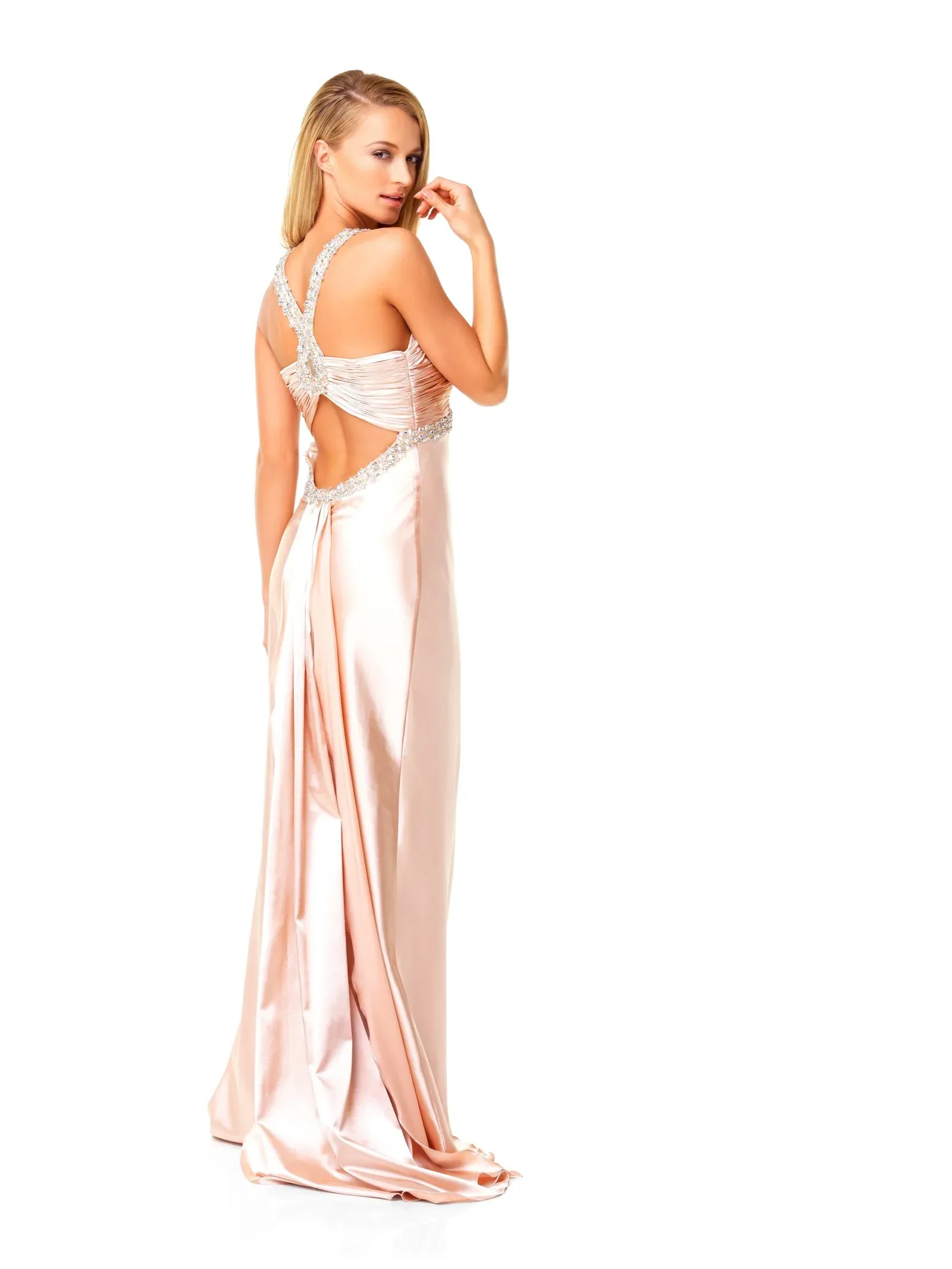
Confirm the baggage rules of the airline operating each flight and ask your atelier how the garment should be packed. British Airways states that wedding outfits count within its hand-baggage allowance and that its short-haul aircraft have no wardrobe space for hanging them. This is a carrier-specific example, not a promise about another airline or route. Recheck the current policy for your booking.
At the destination, identify a suitable place to unpack, the person who will receive the clothes and the garment-care service you have agreed. Make a written inventory of the looks and accessories so an assistant can follow the plan without relying on memory. Keep the departure outfit separate from pieces that need careful repacking after the celebration.
The final wardrobe brief
Before the last fitting, review the wardrobe and event schedules together. If an outfit does not fit a real moment, reconsider its place. Keep one visual reference for each look, with the intended accessories and the practical notes beneath it. The finished brief should help your team make calm decisions while leaving you free to enjoy the weekend.
- Event, location and dress code for each look
- Garment-specific packing and care instructions from the atelier
- Shoes, layers and accessories tested together
- Named support and realistic time for any change
- Current baggage rules for every operating carrier
- Clear storage and repacking arrangements
Sources
Something needs a closer look? Our corrections approach.