Read the invitation before the mood board
An evening wedding deserves a look that feels deliberate, but the invitation should make the first decision. Read the exact words, the event they apply to and any accompanying note from the hosts. A formal ceremony and a relaxed farewell may belong to the same weekend without sharing a dress code. Keep each occasion separate in your wardrobe plan rather than letting the most dramatic photograph determine every choice.
The Emily Post Institute distinguishes black tie, optional and creative invitations. Use the comparison below to understand the wording, then ask the hosts about any instructions specific to their celebration.
Translate the answer into a simple brief: the required formality, the location, the time you will arrive and how you will leave. Add ceremony expectations separately. A dress code does not override the requirements of a particular place of worship, and the country name alone cannot establish them.
Black tie, optional or creative: what changes?
This comparison summarises the Emily Post Institute’s guidance, checked on 23 October 2026. It is a reference point, not a substitute for the hosts’ instructions or a particular ceremony’s requirements.
Keep the invitation wording beside your shortlist. If you are deciding between an evening gown and a shorter dress, show the host or their nominated contact the complete outfit rather than asking about the hem alone. The example question below is an original Vowmora prompt you can adapt.
| Invitation wording | Formal starting point | What to clarify |
|---|---|---|
| Black tie | An evening gown or dressy cocktail dress; traditionally, a tuxedo. | Any additional ceremony or venue expectations. |
| Black tie optional | A tuxedo or dark suit; gown, cocktail dress or dressy separates. | The choice remains formal. |
| Creative black tie | Black-tie formality with individual texture, colour or accessories. | How the hosts interpret “creative”. |
Black tie
- Formal starting point
- An evening gown or dressy cocktail dress; traditionally, a tuxedo.
- What to clarify
- Any additional ceremony or venue expectations.
Black tie optional
- Formal starting point
- A tuxedo or dark suit; gown, cocktail dress or dressy separates.
- What to clarify
- The choice remains formal.
Creative black tie
- Formal starting point
- Black-tie formality with individual texture, colour or accessories.
- What to clarify
- How the hosts interpret “creative”.
One useful question before you choose
“I am planning a formal evening look for the reception. Would a dressy cocktail dress suit your black-tie wording, or would you prefer a floor-length gown? Please also let me know about the ceremony setting and any outdoor walking.”
Adapt the question to the actual outfit and occasion. Send it through the contact named on the invitation or wedding website, with enough time to arrange a fitting. A welcome dinner and the wedding reception may need different answers; keep the reply with the outfit plan for that event.
Once the level of formality is clear, compare the pieces you already own with anything you are considering buying or hiring. Try the finished look with the shoes, underlayers and evening layer you intend to use. A practical check should help you commit to one considered outfit, not add another round of purchases.
- Confirm which event the dress code applies to.
- Ask one specific outfit question if the wording is unclear.
- Check ceremony expectations and the route between spaces.
- Keep the answer with the fitting and packing plan.
Choose one strong idea
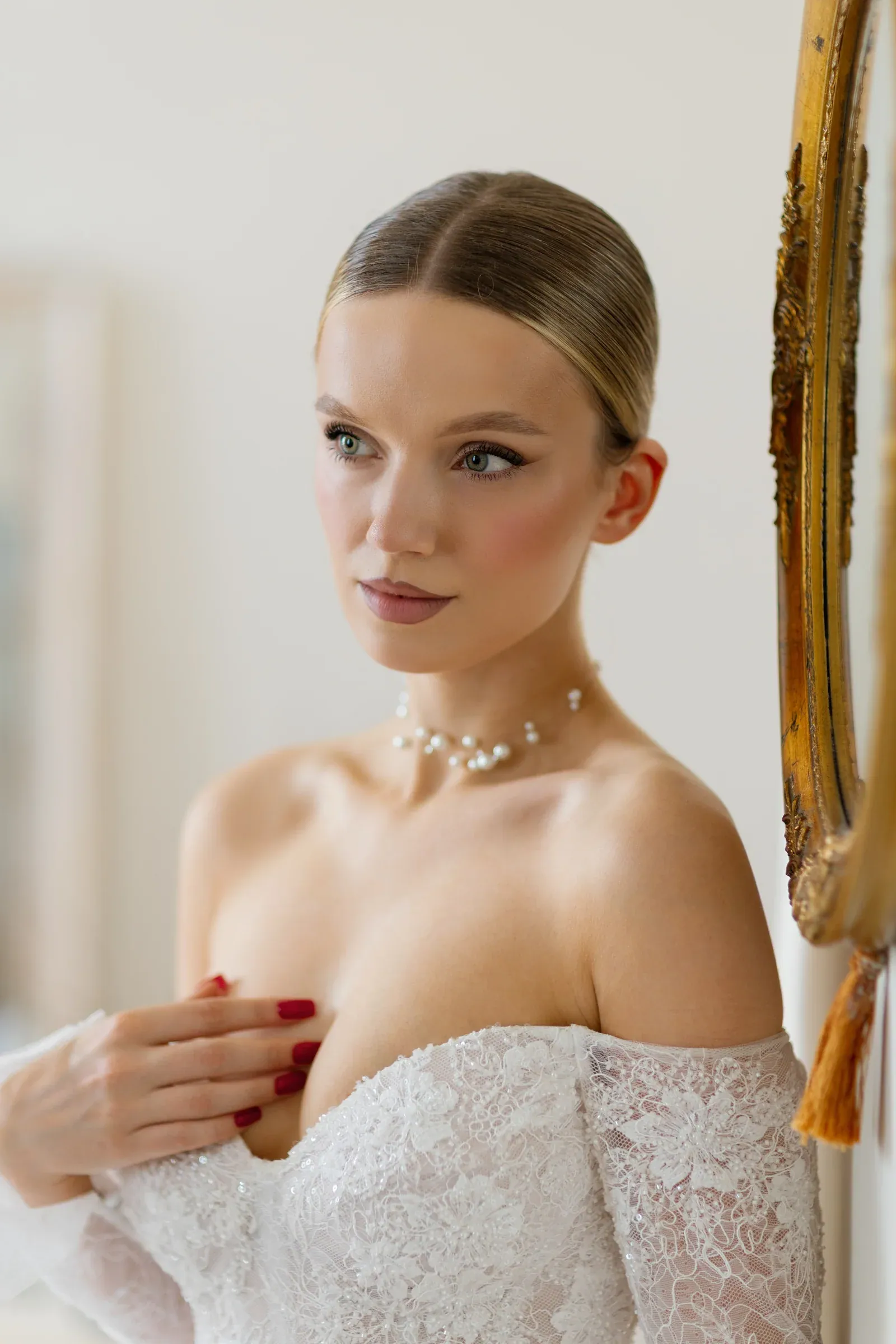
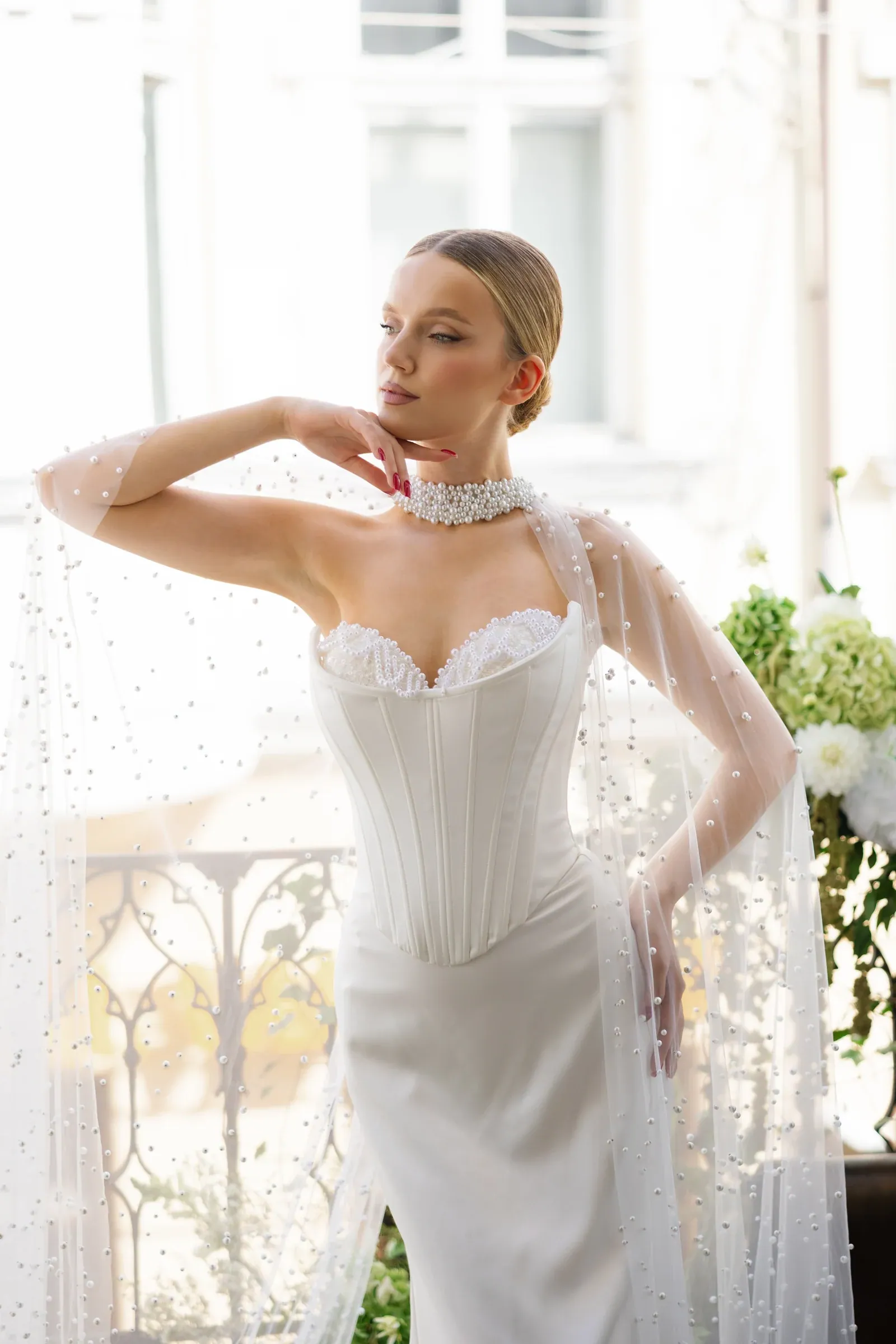
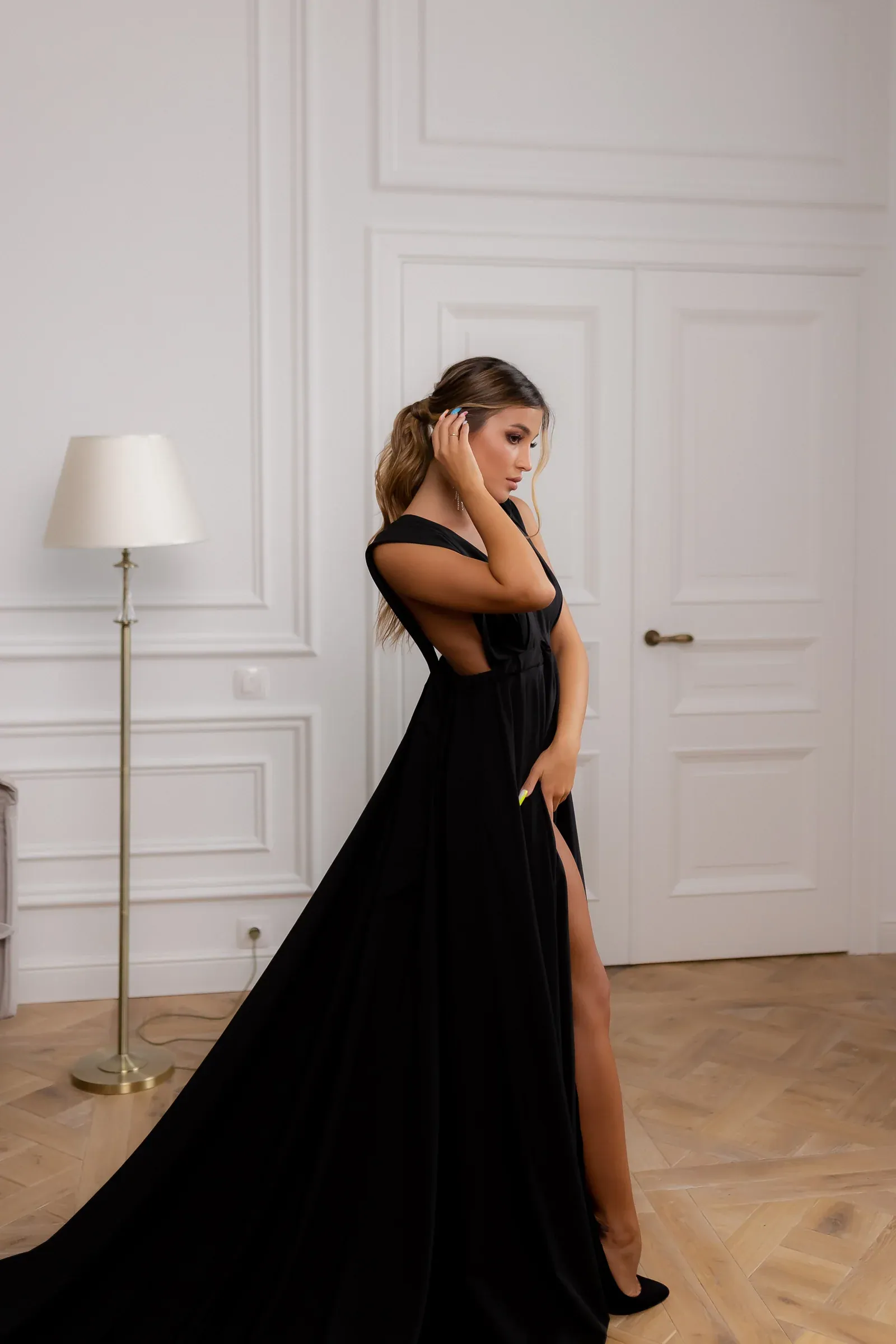
Start with a silhouette you enjoy wearing. A sculptural shoulder, a fluid skirt or beautifully cut tailoring can give the look a clear point of view. You do not need several statement details competing at once. Assemble one complete option before collecting more alternatives; it is easier to judge the balance when the outfit is actually on your body.
Treat fit as part of the design. Try the intended underlayers and shoes during any alteration appointment, and ask the person working on the garment how its construction should sit. Check the neckline when seated and the hem while moving. A photograph taken standing still tells you less than a short walk, a turn and a comfortable seat at a table.
If you already own a suitable piece, consider how a different shoe, layer or accessory could make it feel considered for this occasion. A restrained evening edit is about a coherent choice, not the number of new purchases. Keep one visual reference of the finished outfit so packing does not reopen every decision.
Dress for the whole evening
Picture the route from your room to the ceremony, from drinks to dinner, and from the last dance to your transport. A terrace, gravel path or flight of stairs can change what feels easy to wear. Ask the host or venue for practical information rather than assuming a formal event means a completely level indoor setting.
Test the shoes on a comparable surface and choose a layer that belongs to the outfit. Carrying a second pair can be useful if you want to change, but plan where they will be kept and when the change would happen. A bag, wrap or jacket should be part of the look you have tried together, not an unresolved purchase on the day before departure.
Comfort need not flatten the visual idea. The aim is to be present at the gathering: to greet people, sit through dinner and move freely enough to enjoy it. If a beautiful piece repeatedly needs adjusting, ask whether a fitting can solve the problem or whether another option would serve you better.
Let the finishing details be precise
Lay out the outfit with its jewellery, shoes, evening bag and layer. Decide which detail leads and let the others support it. A strong neckline might need very little near the face; a quieter shape can leave more room for an accessory you love. These are styling prompts, not rules about what every guest must wear.
Check the useful details as carefully as the visual ones. Can the bag hold what you need? Will the fastening stay secure while you move? Is there an agreed place for your coat? Prepare a small garment-care note from the maker or alteration specialist rather than applying a general care method to an unfamiliar fabric.
For a destination wedding, confirm the operating carrier’s baggage rules and pack the complete look as a set. Do not assume an aircraft or hotel will have a particular hanging or pressing service. Ask before travelling, and protect the garment according to advice for that piece.
A final check, then enjoy the invitation
Try the whole outfit once more with enough time to make a small correction. The best final edit is usually practical: a fastening checked, the right layer packed, the departure plan understood. Once those decisions are settled, stop adding options. Give the evening your attention.
- The exact invitation wording is clear.
- The complete outfit has been tried seated and moving.
- Shoes and the route between spaces work together.
- A layer, bag and garment-care plan are ready.
- Travel and return arrangements are confirmed.
Sources
Something needs a closer look? Our corrections approach.