Choose the feeling, then test the date
You may imagine a long evening outdoors, a garden in a particular mood or a dinner that becomes more intimate as the light fades. Start with that feeling, then test it against the exact setting. Europe is too varied for one best-month answer, and even a destination country contains places with different conditions.
Make a short list of possible dates and the parts of the celebration that matter most. Ask which depend on being outside, which would work beautifully indoors and which can change without losing the idea. This separates a preference from a requirement before you begin to compare availability.
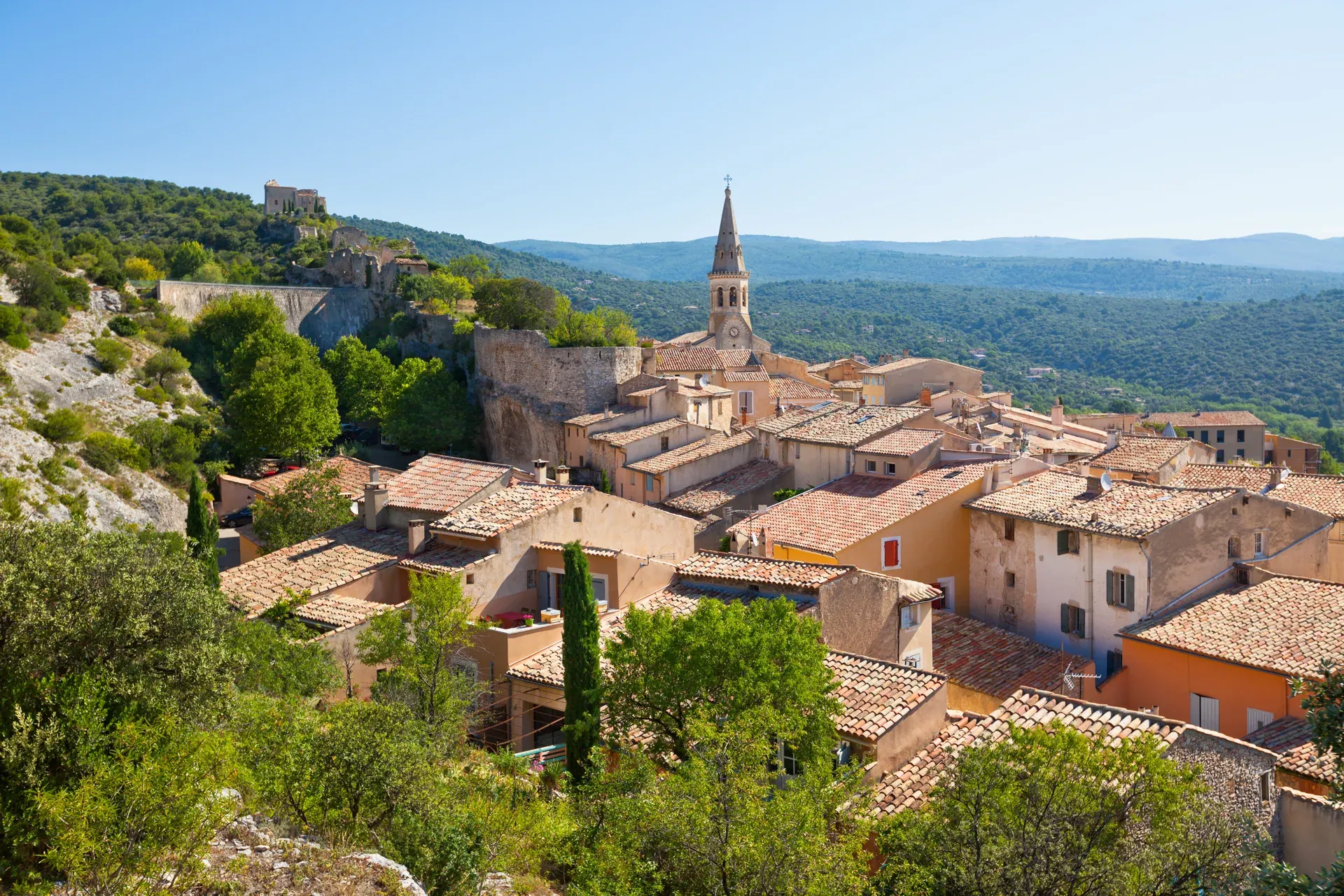
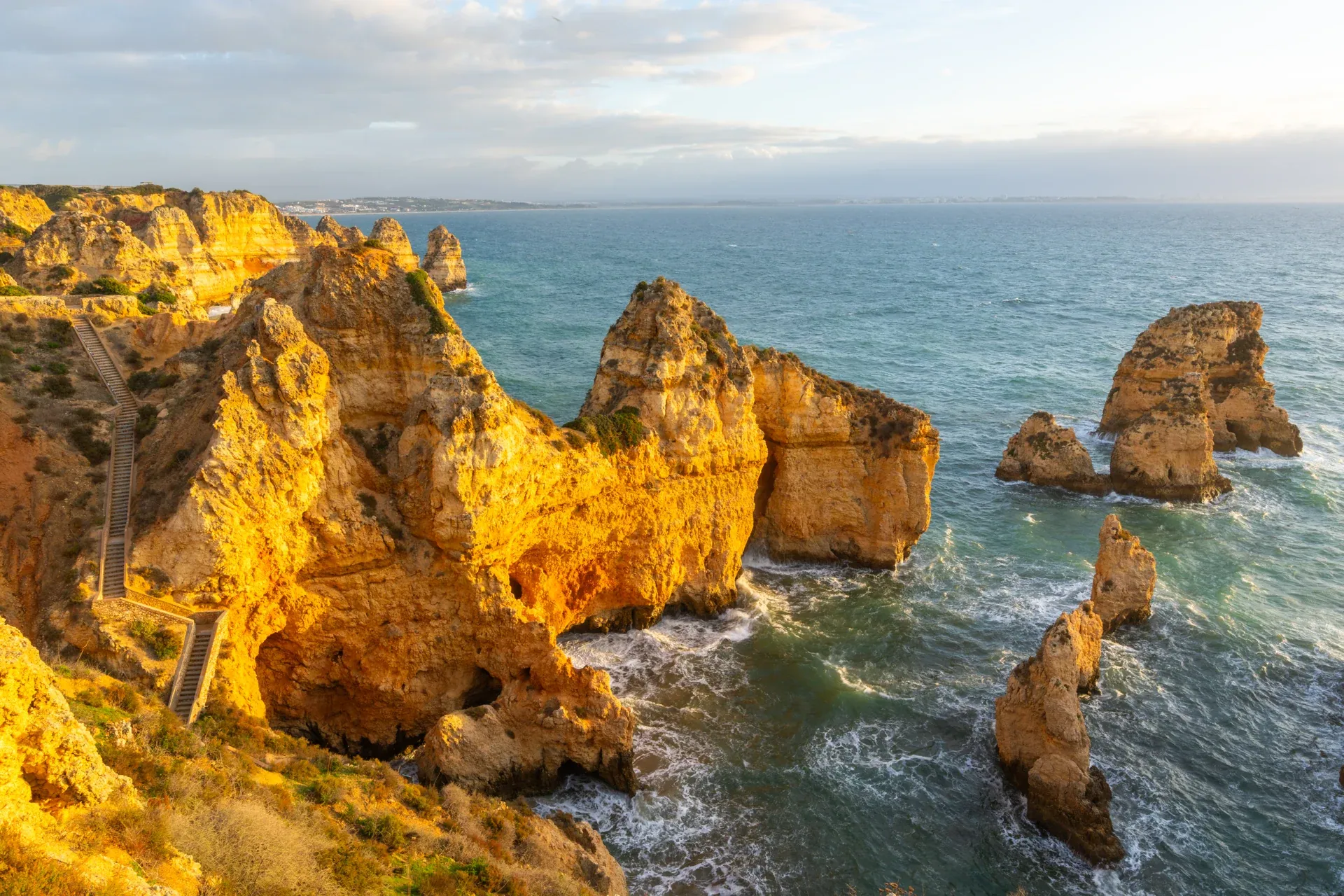
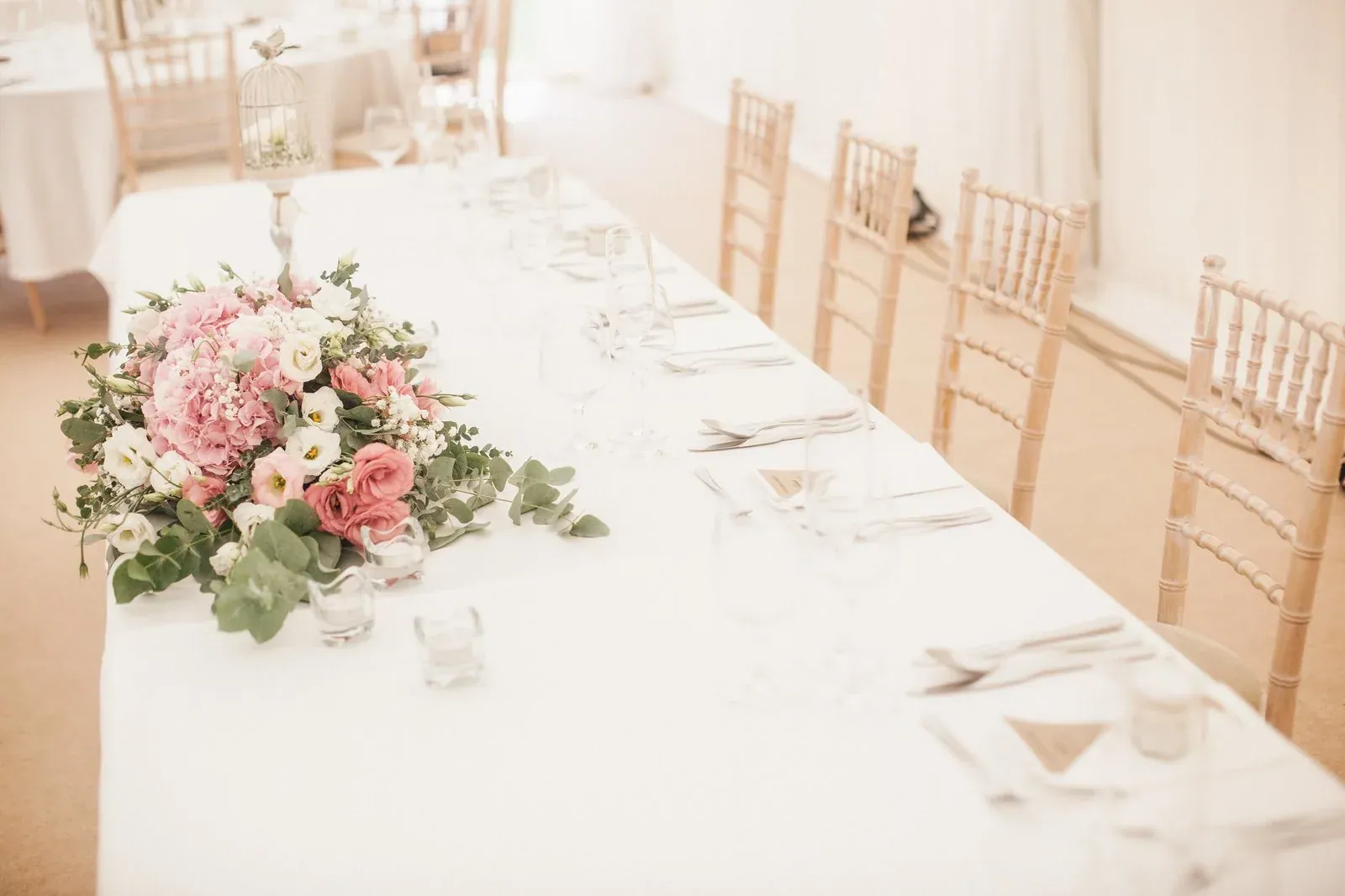
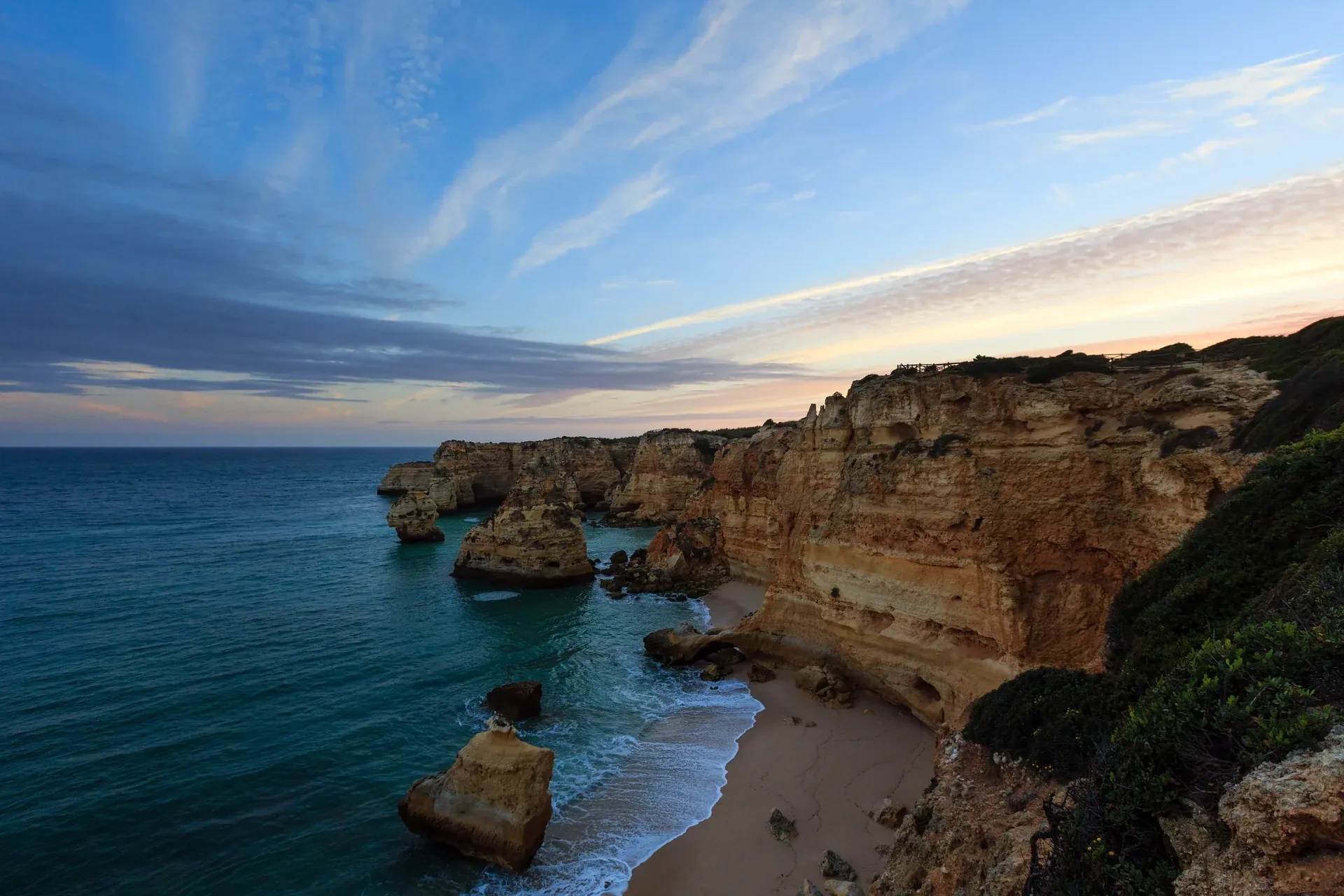
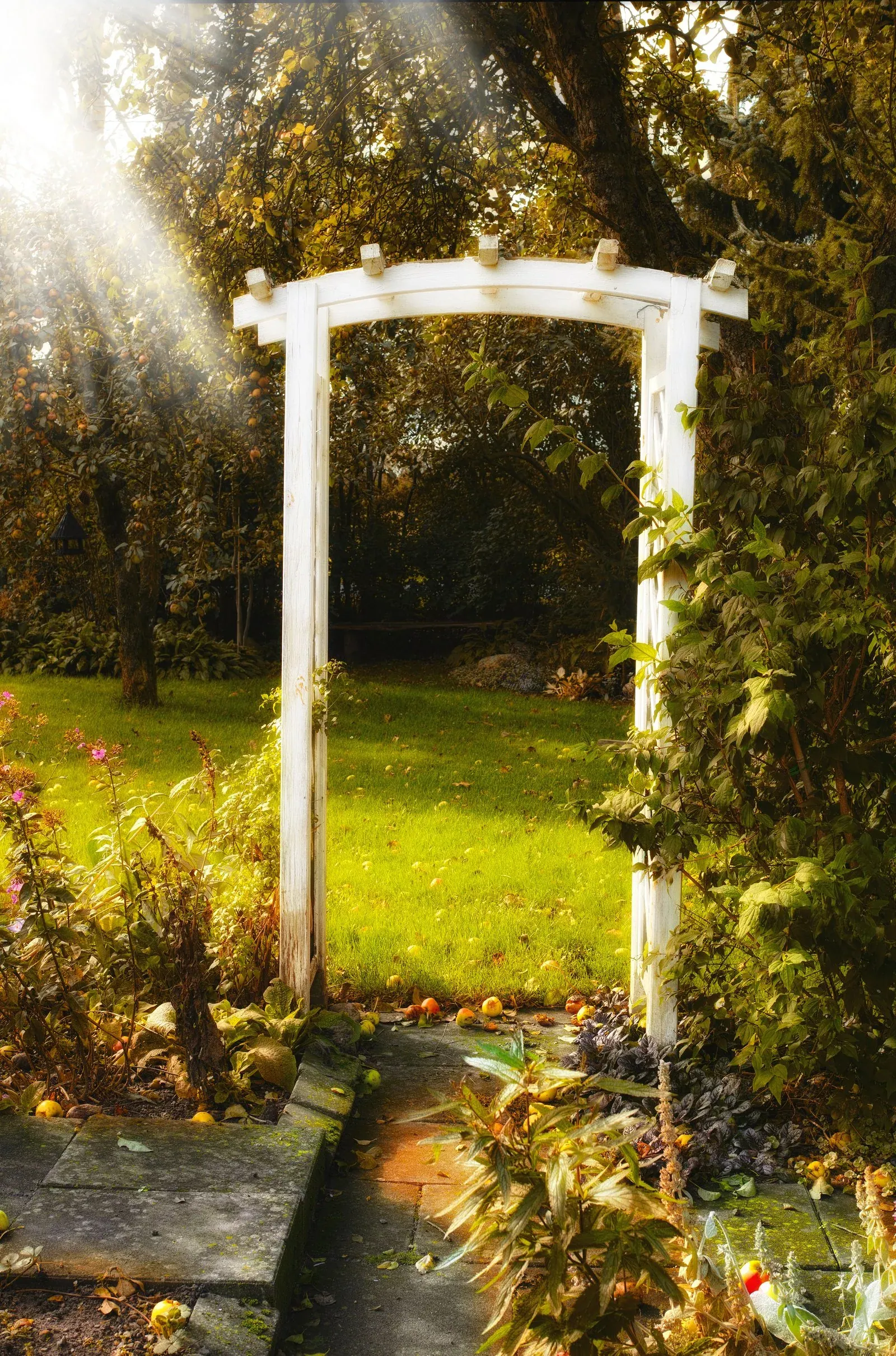
A photograph can help express what you love about the light or landscape. It cannot establish the weather on a future date, the month in which it was taken or the practical conditions at a different property. Use the image as inspiration, then ask for evidence that belongs to your location.
Read evidence for a region, not a continent
Climate normals describe historical averages over a defined period. They help frame questions about temperature and precipitation, but they do not predict a wedding day. Use the nearest relevant official station and ask how its location compares with your venue: elevation, coastal exposure and the particular site may matter.
For a worked example, IPMA’s 1991–2020 normal for Faro in southern Portugal reports the figures below. The maximum and minimum columns are averages of daily highs and lows for the month; precipitation is the average monthly total. They are not the highest temperature a guest might experience or the amount of rain expected during your ceremony.
The July figures may lead you to ask about shade, cooled indoor space and the timing of an outdoor gathering. The October figures may lead to a closer conversation about covered routes and the indoor event layout. Neither set of averages removes the need for a complete weather plan.
| Faro, 1991–2020 | Mean daily maximum | Mean daily minimum | Monthly precipitation |
|---|---|---|---|
| May | 23.5°C | 15.0°C | 26.2 mm |
| July | 29.4°C | 19.6°C | 0.9 mm |
| October | 23.3°C | 15.8°C | 56.0 mm |
May
- Mean daily maximum
- 23.5°C
- Mean daily minimum
- 15.0°C
- Monthly precipitation
- 26.2 mm
July
- Mean daily maximum
- 29.4°C
- Mean daily minimum
- 19.6°C
- Monthly precipitation
- 0.9 mm
October
- Mean daily maximum
- 23.3°C
- Mean daily minimum
- 15.8°C
- Monthly precipitation
- 56.0 mm
Bring the light into the actual schedule
Ask your photographer and venue to discuss light at the exact location for your shortlisted dates. Show them the spaces you intend to use, rather than asking only for a sunset time in the nearest city. A terrace’s orientation, surrounding buildings and the route between events can shape the practical timetable.
Decide what you want to prioritise: the ceremony, portraits, the first dinner moment or time together with guests. If several things depend on the same part of the evening, ask the team to show how they could fit. Avoid a schedule that achieves one beautiful frame by rushing every other moment.
Agree how the plan changes if the conditions on the day differ. A photographer can propose another portrait setting, while the venue and planner clarify the decision process for outdoor events. Those discussions should happen together, so a change in one part of the programme does not leave another team working to an old schedule.
Imagine being a guest in every space
Picture the arrival, the ceremony, drinks, dinner and the journey back to accommodation. Ask about seating, shade or shelter, drinking water and the transition indoors. The relevant provision depends on the place and date; a seasonal average cannot answer how comfortable the actual event space will be.
Review the information guests will receive. A useful clothing or footwear note should describe the setting clearly, without asking people to solve an incomplete venue plan. If a route or activity is optional, say so. Handle individual access arrangements through an appropriate private contact rather than including personal details in a shared schedule.
Check the wider trip too. Confirm that the stays, transport and activities you want are operating and available on your dates. Ask for current written proposals before treating a quieter season as a saving or a guarantee of privacy. Neither price nor availability follows automatically from the month.
Choose an indoor celebration you would still love
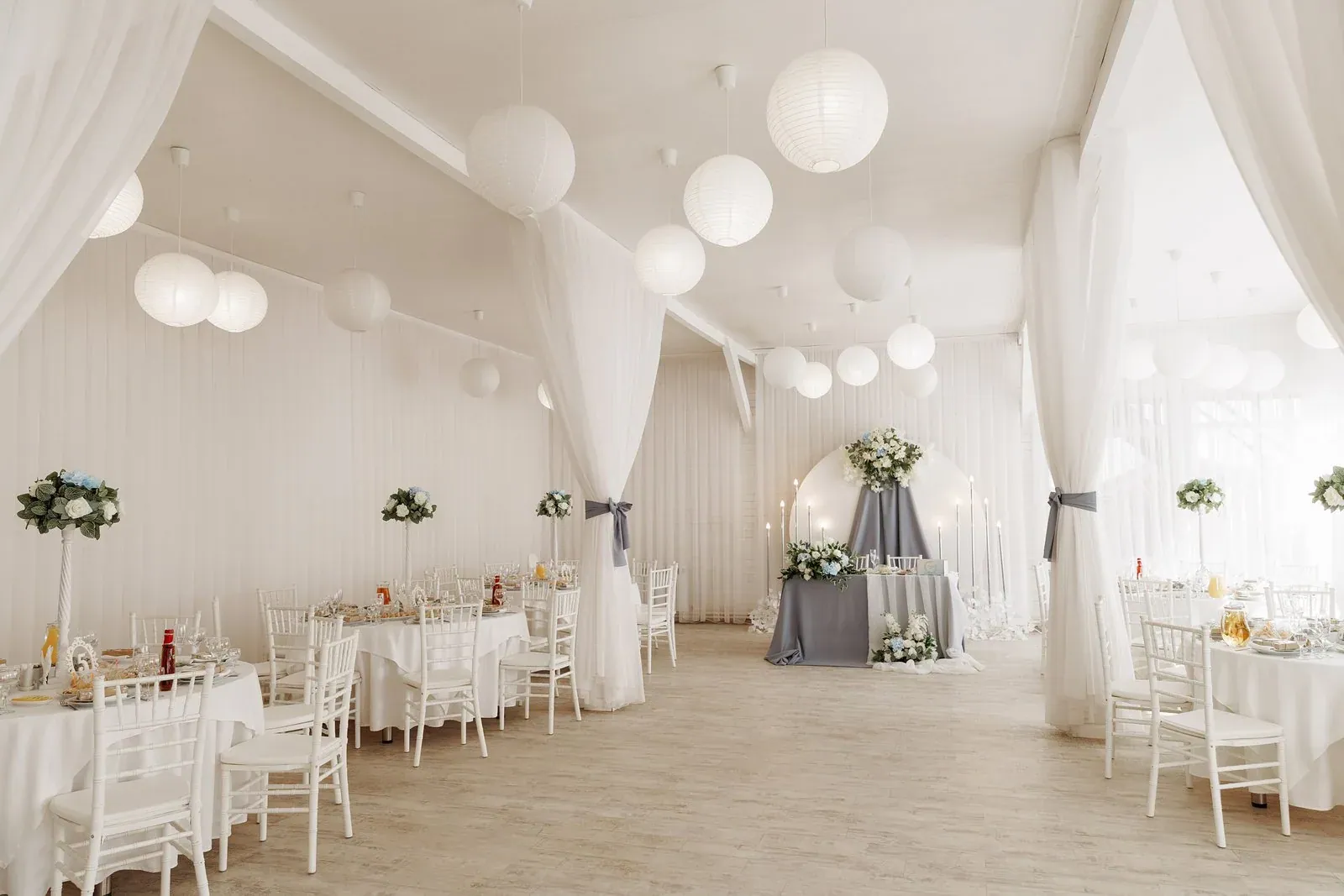
Give the alternative the same care as the original idea. Ask for a layout for your full party, the service arrangements, the route between rooms and the time needed to prepare them. Include any additional furniture, lighting or staffing in the comparison. A spare room mentioned in passing is not a complete plan.
Agree who makes the weather decision and when it must be made. The timing needs to fit the venue, suppliers and guest communication; it cannot be chosen by a generic checklist alone. Keep the final instruction with one responsible contact so every team receives the same update.
When you can imagine both versions of the day with pleasure, the date becomes easier to choose. You are selecting a setting and a way of hosting, with room for the conditions you cannot control.
Sources
Something needs a closer look? Our corrections approach.