Decide how you want to host
A château looks different at the end of the evening. The candles are low, coats are being collected and someone is looking for the car that will take them back to their room. Think about that moment before you fall for the front elevation. Will most guests walk upstairs, take one shared shuttle or make several separate journeys? The answer tells you more about the sort of property to shortlist than another photograph of a staircase.
Start with the people who will make the longest journey. A guest arriving from the UK with a garment bag and a small child has different needs from someone who can drive directly to the property. Work out where each would sleep and how each would leave dinner. You need a plausible route at this stage, with an identified place to check the details once you have dates.
Then decide which parts of the weekend you actually want to host. A single dinner with everyone staying nearby can feel more generous than three events spread across different properties. If the pleasure is waking up together, make bedrooms and breakfast part of the venue brief from the beginning. If you want guests to explore on their own, choose a base where they can do that without depending on your transport.
Three French settings, three ways to spend the weekend
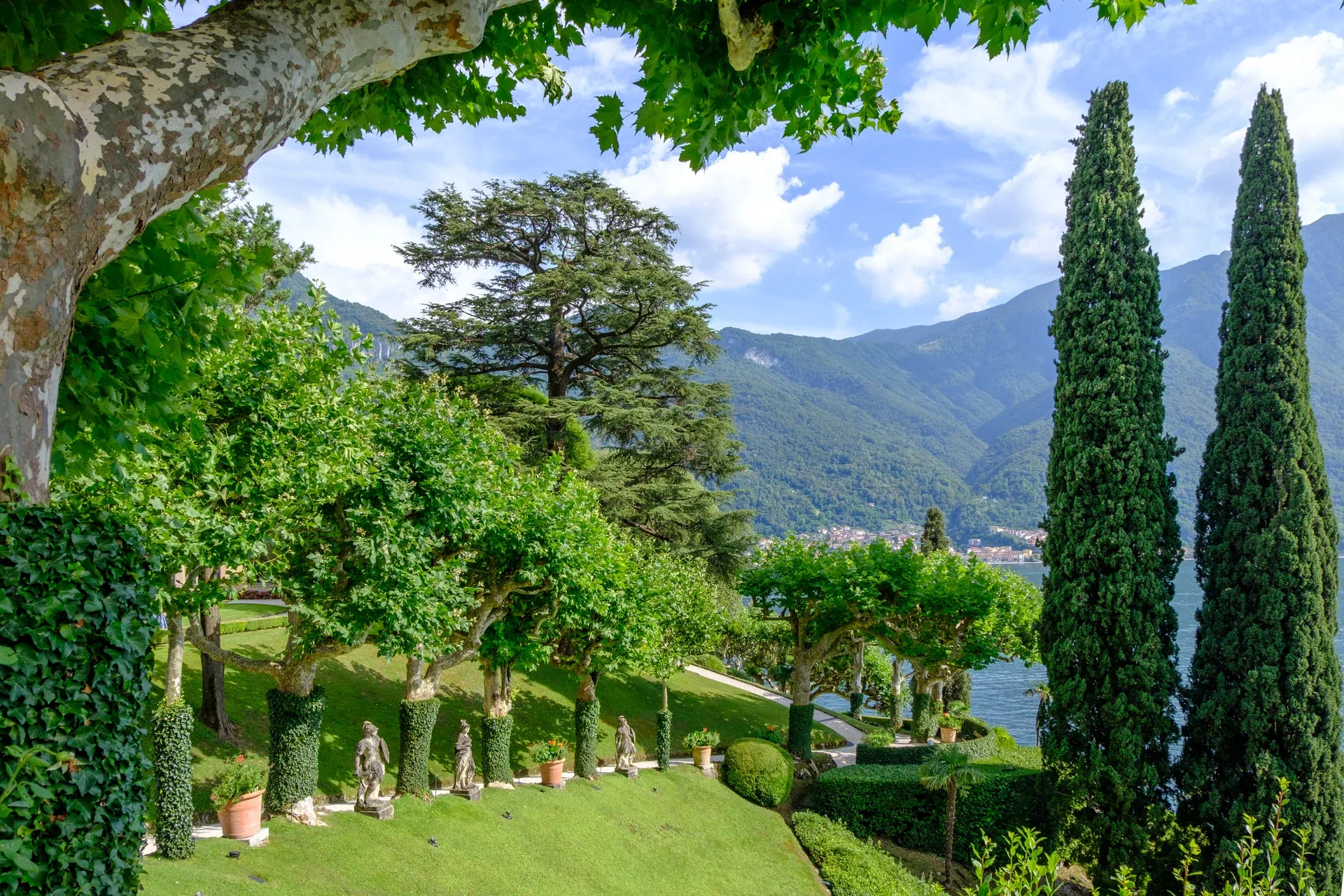
Think of Provence, the Loire Valley and the Riviera as different hosting arrangements. Inland Provence lends itself to a weekend built around a village or a property with outdoor space and a credible indoor room. The Loire can put architecture at the centre, with a town such as Tours or Blois providing a practical guest base for a separate celebration. On the Riviera, compare a coastal hotel setting with a property in the hills above the coast. The relationship between the hotel door and the dinner table may change considerably between the two.
A château is an architectural description. Read it as the beginning of a question about access, rooms and use of the grounds. Decide whether you would still want the property if the ceremony moved inside and guests arrived through a different entrance. If the answer changes, ask to see both arrangements before placing the house on your final list. Our château and villa comparison helps you examine that private use in more detail.
| Setting | Choose it for | Settle first |
|---|---|---|
| Inland Provence | A weekend shaped around one village or country property, with time together outdoors. | The actual guest base, property access and the indoor plan. |
| Loire Valley | Château architecture and space for guests to explore a nearby town independently. | Whether guests sleep at the house or in town, and how they return after dinner. |
| Riviera | A celebration with a coastal hotel base or a quieter hill setting. | The route between the rooms and the reception, plus terrace use and evening arrangements. |
Inland Provence
- Choose it for
- A weekend shaped around one village or country property, with time together outdoors.
- Settle first
- The actual guest base, property access and the indoor plan.
Loire Valley
- Choose it for
- Château architecture and space for guests to explore a nearby town independently.
- Settle first
- Whether guests sleep at the house or in town, and how they return after dinner.
Riviera
- Choose it for
- A celebration with a coastal hotel base or a quieter hill setting.
- Settle first
- The route between the rooms and the reception, plus terrace use and evening arrangements.
Sources: France.fr: Provence · France.fr: Loire Valley · France.fr: Côte d’Azur
Provence from the village outward
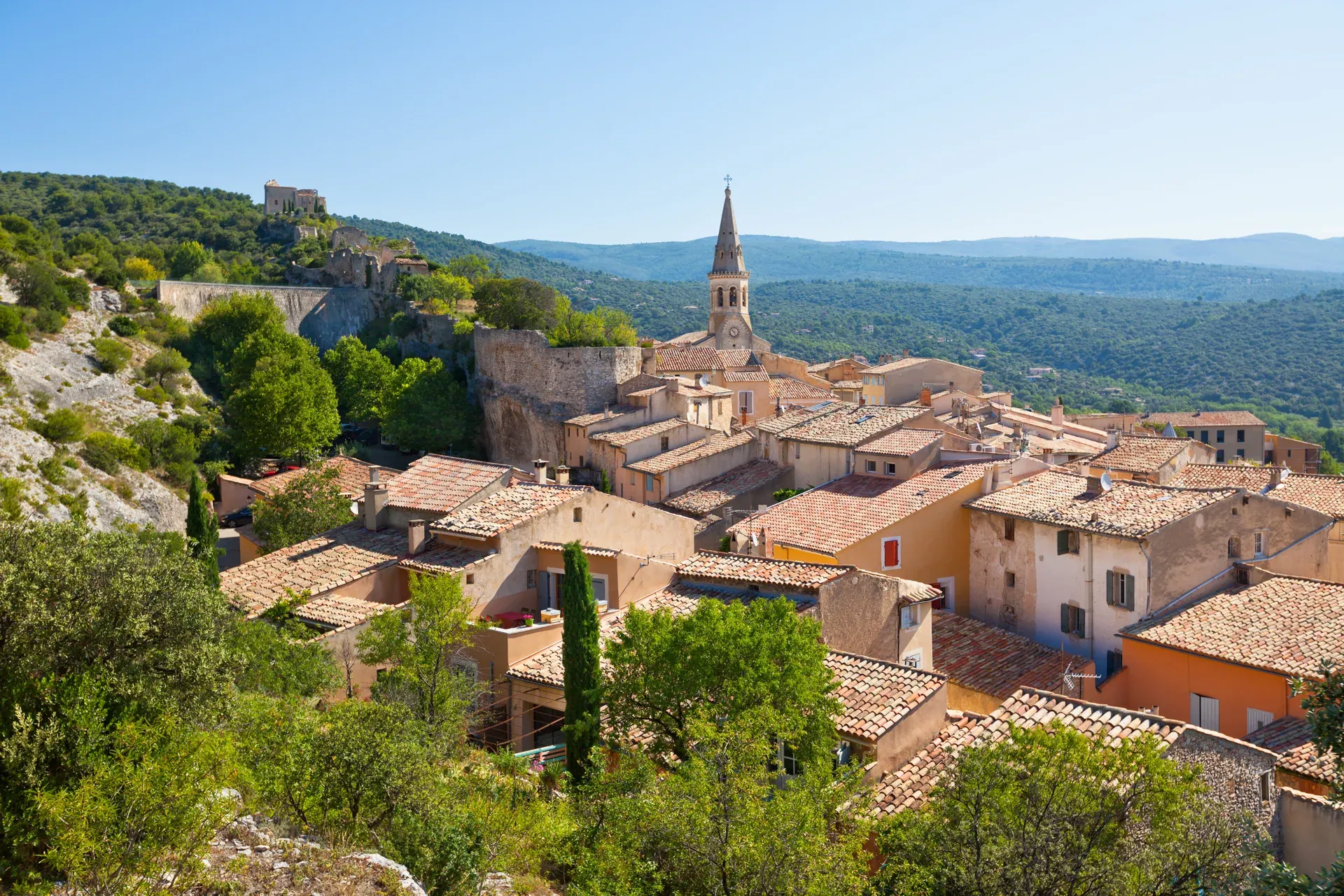
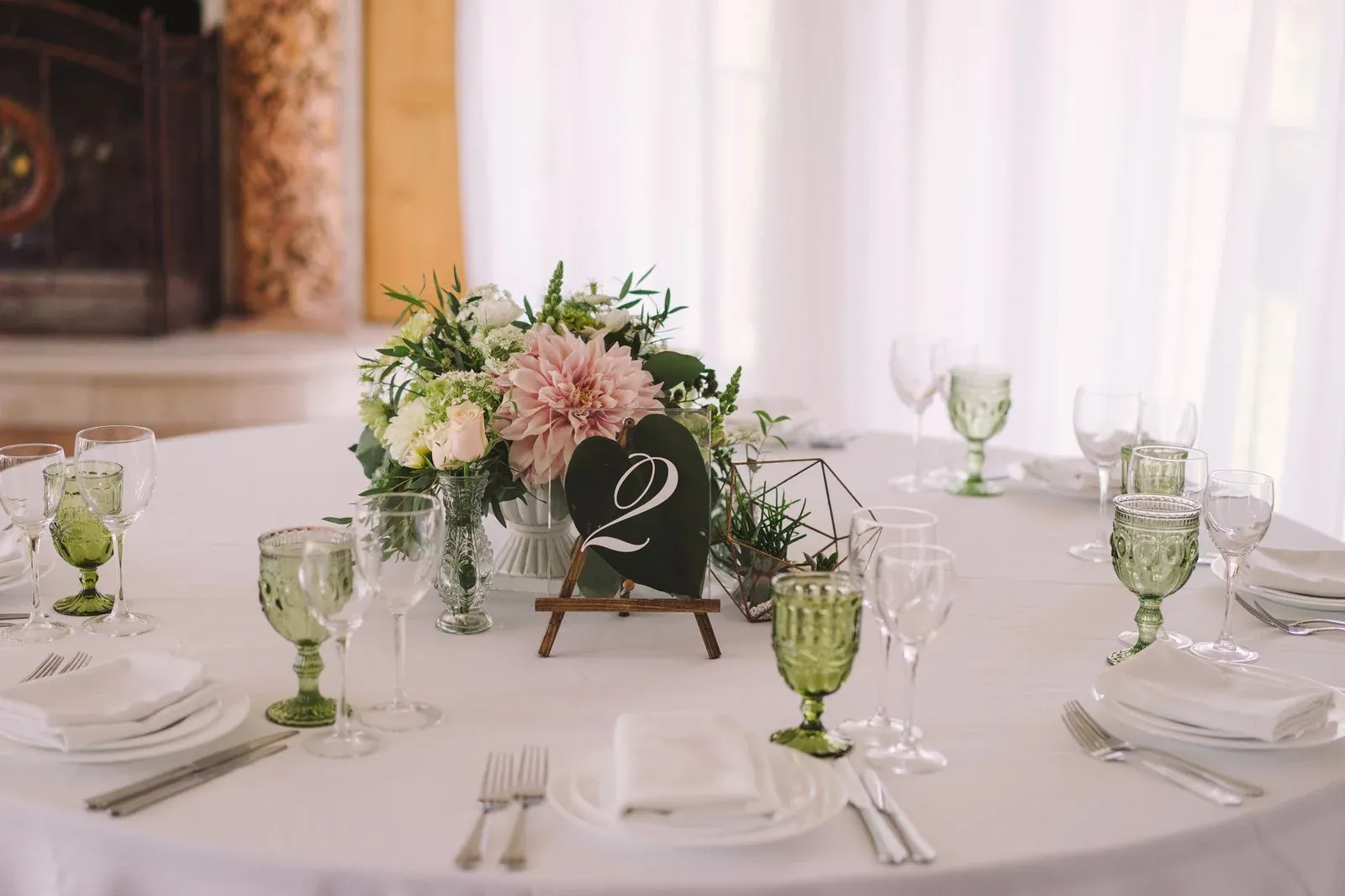
Start by pinning the property on a map. Provence covers an extensive part of south-eastern France, and the stone villages of the Luberon, the area around Avignon and the Mediterranean coast suggest quite different weekends. Choose an inland house if you want time at the property itself. A shaded lunch and one unhurried evening can give the weekend a stronger sense of place than a succession of excursions.
Château Martinay in Carpentras is one property to investigate. Its operator describes weddings and private receptions and offers an enquiry route. Ask for a dated proposal showing which buildings are included, who occupies the bedrooms and which spaces are suitable for a seated meal in your season. The enquiry page also contains an old seasonal notice, so use the operator’s current written response for opening dates and availability. Bring those answers to the same comparison you use for other properties.
For an inland shortlist, give the driver the actual gate rather than the village name. Ask the venue whether the approach and turning space work for the proposed vehicle, and where guests wait if the first shuttle is full. Check the route from the ceremony to dinner in both directions. Gravel, steps and a dark garden path look different when people are returning in evening shoes. Photograph the route on a visit so the planner, driver and venue team can discuss the same entrance.
Sources: France.fr: Provence · Château Martinay: private booking
The Loire Valley when the house is the occasion
In the Loire Valley, begin with the difference between an architectural landmark and the property that will host your wedding. France’s tourism board presents towns including Tours and Blois alongside the region’s châteaux and gardens. Use that geography to compare an estate stay with a town-based weekend. A hotel base can give guests independent time, while a house with sufficient bedrooms can gather more of the weekend under one roof.
An impressive approach is only one part of the day. Ask to walk the arrival route, the ceremony approach and the route between drinks and dinner. In an older house, check access to toilets, alternatives to steps and how sound carries between rooms. Ask where the production team can unload and whether access overlaps with guest arrivals. The useful drawing is the plan for your event, with furniture and service routes marked on it.
If you offer an optional visit to a château, make it a self-contained suggestion with the operator’s own visitor details. Check opening arrangements for the dates before sharing them. Let guests choose how much they want to do. That leaves the wedding as the reason they gathered and gives people who arrived late a morning to recover.
Sources: France.fr: Loire Valley
The Riviera from the hotel door to the terrace
A Riviera shortlist might start with a town on the coast near Nice or Antibes, or with a hill setting inland. France’s tourism board distinguishes the coastline from the villages and hills of the hinterland. Walk the proposed journey before assuming a sea view will make the two kinds of weekend feel alike. A guest may have a short walk from one coastal hotel and need an arranged car from another.
For a coastal celebration, test the route from a hotel lobby to the exact reception entrance. Find the sheltered place for drinks and the indoor dinner layout. Ask the property about its own music hours, load-in rules and the moment an outdoor service would move inside. The venue and relevant local authority can confirm restrictions for the address and date. Keep terrace access, dinner service and dancing as separate questions in the quote.
A hill property gives you a different choice. One pickup point may simplify the outward journey, while several return times give guests more flexibility. Ask whether the vehicle can stop near the accessible entrance and what the driver needs to know about the approach. Check how a guest would leave early, especially when public transport or an on-demand car is uncertain. Put the confirmed arrangement in the invitation travel note.
Sources: France.fr: Côte d’Azur
Write the journey from the UK in four lines
For each promising property, put the journey on one page. Start with the guest’s realistic departure point, then list the French airport or rail station, the overnight base and the final leg to the venue. Compare these on your actual dates before publishing a route or fare. Some people will travel as a group. Others may arrive from a different UK city and need a later connection or a night closer to their arrival point.
Use exact station names. SNCF Connect lists Avignon Centre and Avignon TGV separately and describes a regional rail connection between them. A shuttle booking that just says Avignon leaves guests guessing. Confirm which station the driver serves, the meeting point, time window and what happens if a train is delayed. Leave room for luggage, mobility needs and the minutes spent finding the vehicle.
Ask the hotel about check-in and luggage storage if the first celebration begins before rooms are ready. Tell guests which part of the journey you are hosting, which they should book and how to get help privately. Separate your own room commitment from rooms that guests reserve and pay for. Our guest accommodation comparison sets out those differences before you agree to a block of rooms.
Do the return journey as a separate exercise. The first shuttle after dinner may suit a guest with children. Another may want to stay through dancing. A plan with clear collection times gives people room to choose. Confirm the last service, the contact for changes and the procedure for a missed pickup with your transport team before you put it in writing.
Sources: SNCF Connect: Avignon Centre station
Put two French venue proposals on the same page
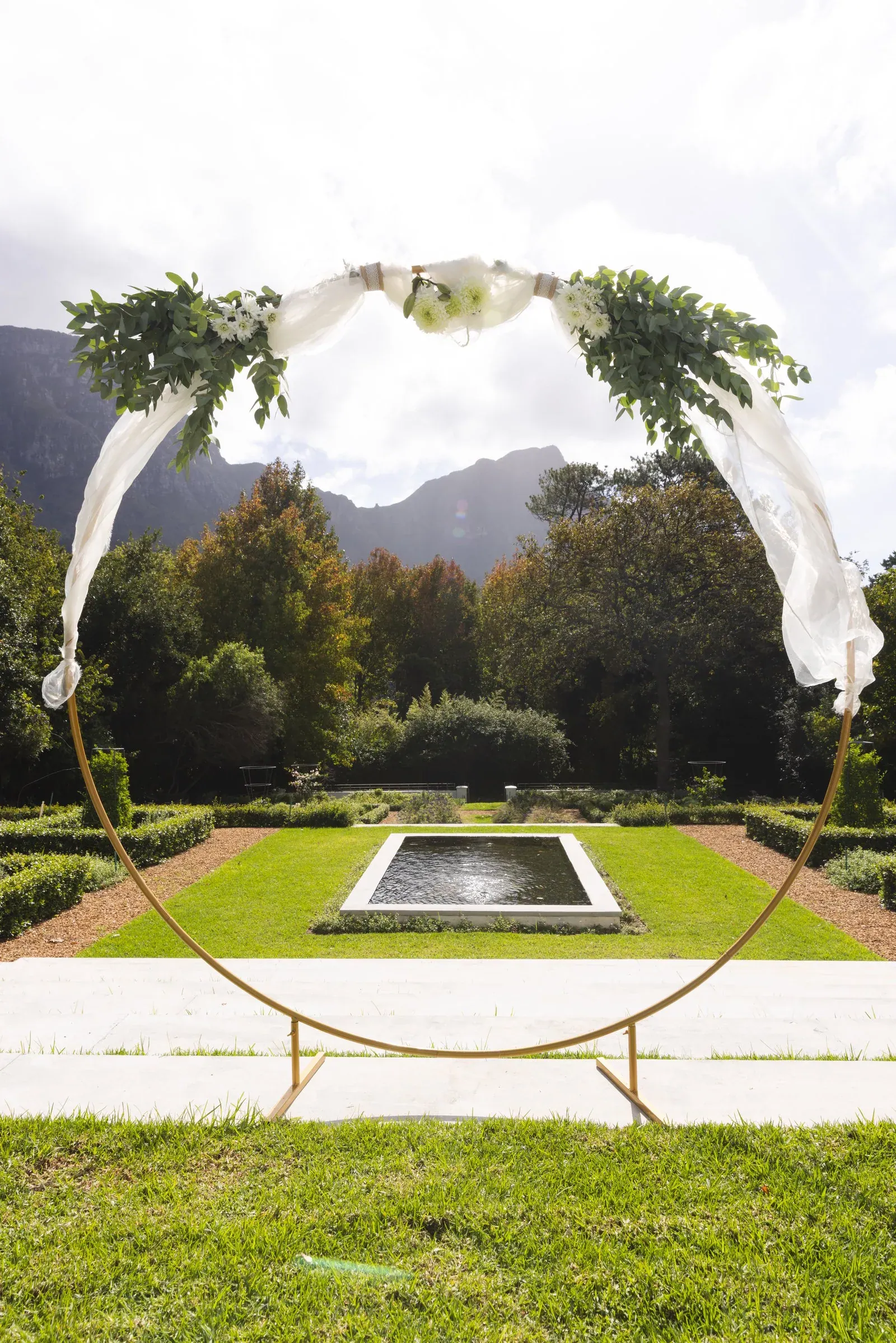
Write the dates, guest count, seated dinner plan and number of hosted events at the top of the comparison. Ask for prices and inclusions against that same brief. A house with accommodation and a separate hotel plus venue arrangement can both suit the same weekend. Separate hire, accommodation, food, drinks, staffing and transport so you can see where each promise sits.
Keep quoted amounts in the currency the supplier uses. Ask whether the quote includes applicable tax, service, hire hours, furniture, setup and clearing. A separate line for a tent, kitchen equipment or transport can change the scope. Ask whether a room commitment is guaranteed by you or booked individually, what happens to unfilled rooms and when the final number becomes binding. Confirm the dates on every written offer. Our destination wedding budget guide develops the budget questions in more detail.
Picture two offers for the same group. The first gives you a house for dinner, with rooms reserved elsewhere. The second includes several nights, a welcome meal space and a breakfast room, but asks you to commit to the bedroom allocation. Build the guest schedule for each before choosing. Then compare what you must pay, what guests pay and which services require a separate contract.
Ask who is responsible for each transition. Give a name or role to setup access, guest arrivals, a move inside and the end of the evening. The venue may provide a coordinator for its own team, while a planner may organise several suppliers and events. Have each team confirm its scope in writing. Our exclusive-use guide helps you pin down the responsibilities and spaces covered by private hire.
Give the indoor room its own visit
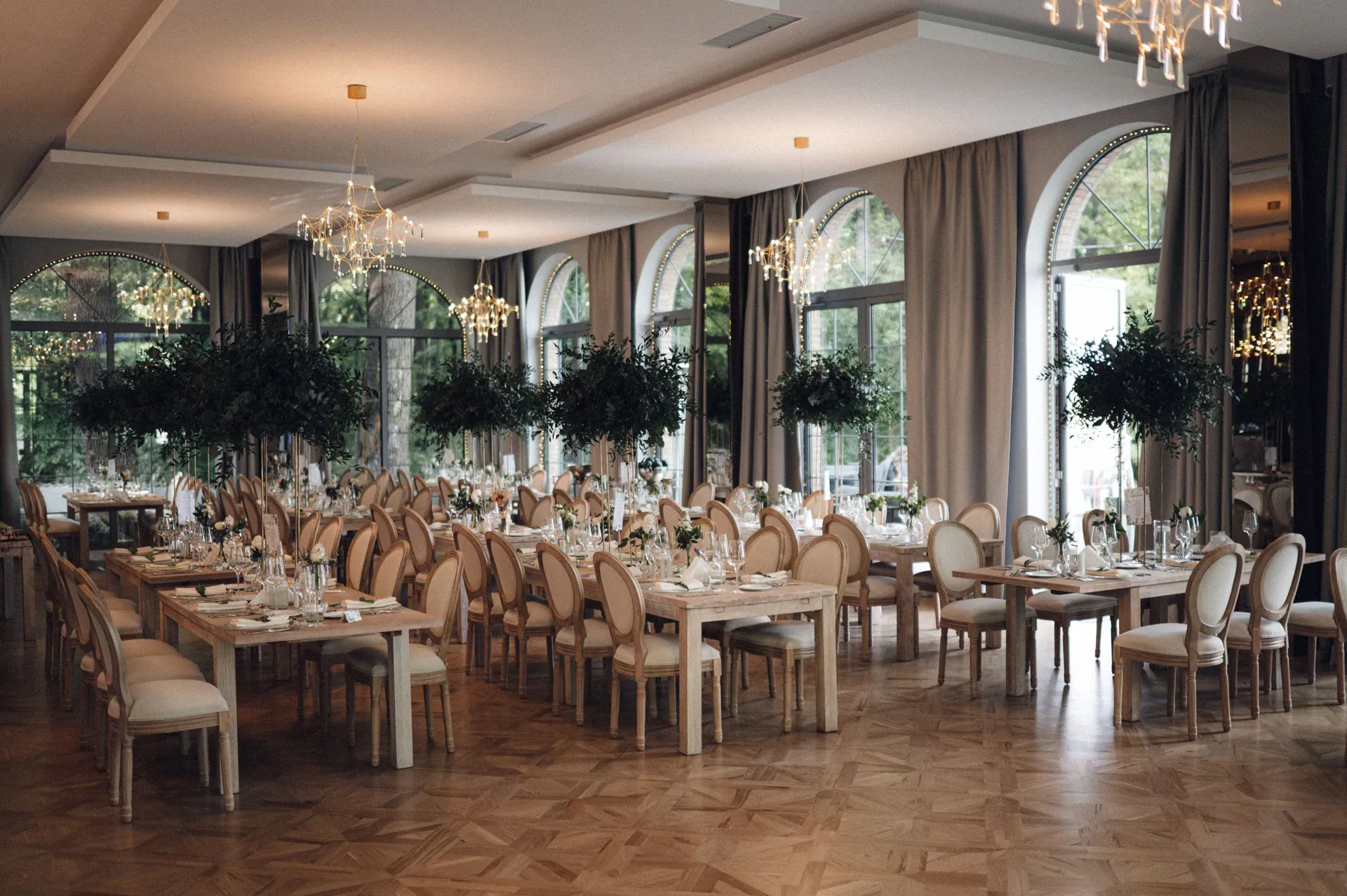
Arrange a visit at a time when you can see the room as it would be used. Ask where ceremony chairs are stored, where drinks can be served and whether the dinner layout works while staff are changing another room. A garden ceremony with dinner inside poses a different set of questions from a full outdoor programme. Keep one schedule for each version and ask the venue to price both where the setup differs.
For a summer date, look at shade on the actual terrace and the time guests spend waiting outside. For an earlier or later date, look at the walk after dark, the comfort of an enclosed room and the space for coats. Treat those as checks for the property and date. A lavender photograph or an inviting terrace in a brochure gives you a design idea. Confirm the conditions for your own programme with the venue and local weather information closer to the day.
Ask when the team makes the weather decision, who can approve an extra hire cost and how guests hear about the new route. A credible indoor plan should leave the most important moments recognisable. Compare the room and its service routes using the wedding rain plan before you decide between properties.
Pack for the movement between rooms
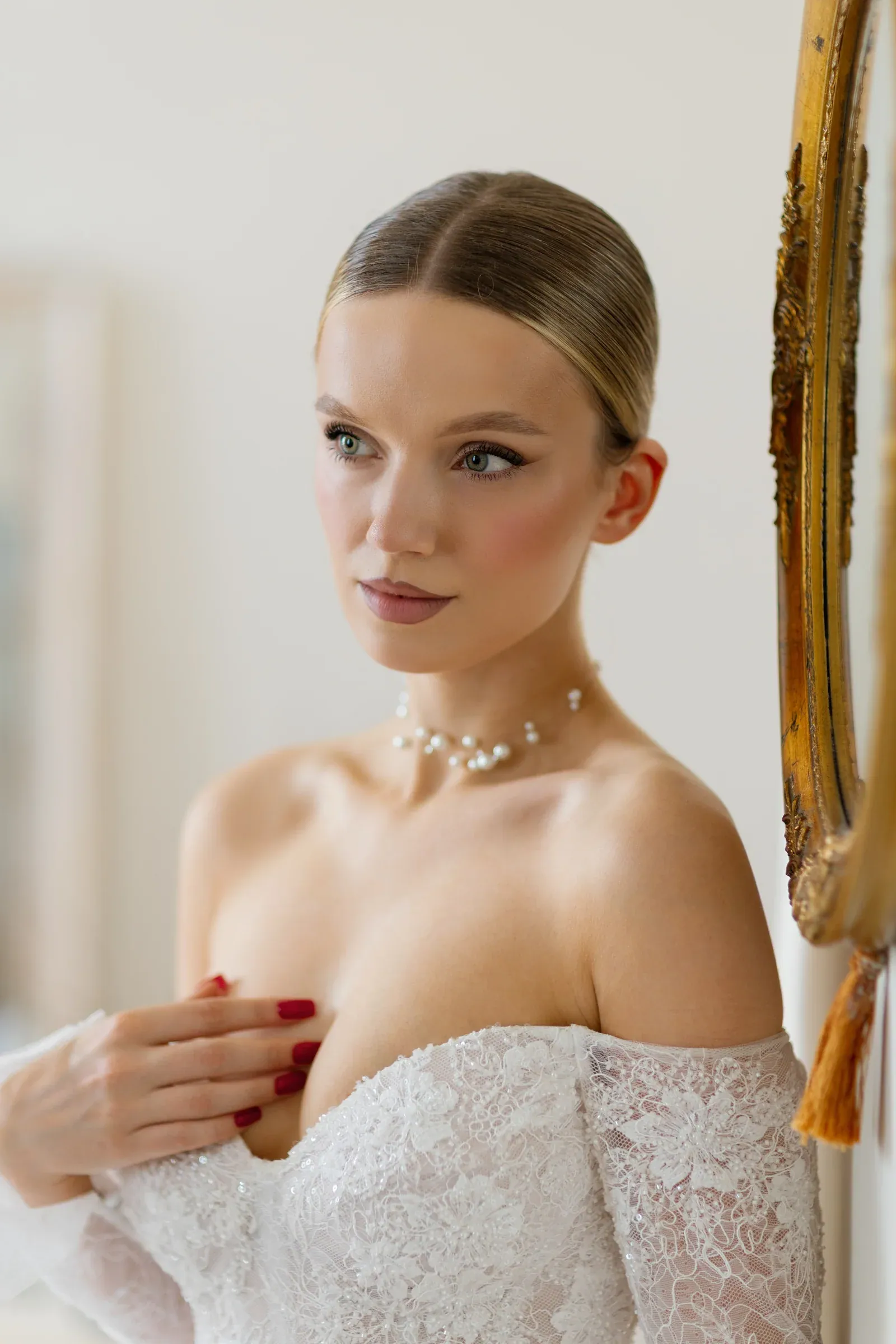
Bring the itinerary to a fitting. A dress that works beautifully at a still portrait also needs to work when you get into the car, climb a stair and sit through dinner. Show your fitter the floor surfaces, approach to the ceremony and timing of any outfit change. If the gown travels with you, confirm the carrier’s handling policy for your actual booking and agree where the garment will wait before dressing.
For a garden ceremony, try the shoes and train on a surface close to the venue path. For a château dinner, think about sitting, table spacing and how you will move between guests. A quieter welcome look can leave your evening silhouette its own moment. If a change would pull you away from the meal you were looking forward to, place it after dinner or simplify the wardrobe. The European wedding wardrobe guide helps connect those choices to a weekend programme.
Confirm the ceremony with the mairie
Separate the legal marriage from the celebration as an early decision. French Service Public explains that a civil marriage normally depends on a qualifying connection to a commune, such as a relevant domicile or residence, and describes rules for specific circumstances. Both nationality and residence can matter. A UK address and a booking at a French property do not establish that the local authority can register your marriage.
Ask the mairie, or town hall, for the commune you are considering to confirm your position before you commit to a legal ceremony date. Contact your own consulate about documents that depend on nationality. GOV.UK provides an official starting point for British nationals marrying abroad, with the destination authority responsible for its local requirements. Ask about the necessary documents, translations and timing for your circumstances. If you arrange the legal marriage separately, make the role of the celebration ceremony clear in your brief to the venue and celebrant.
Sources: French Service Public: civil marriage in France · GOV.UK: getting married abroad
Send two properties one precise brief
Pick the two properties that support the weekend you would actually enjoy. Write the guest count, number of nights, venue spaces, arrival points and indoor alternative on the same brief. Include a date range and ask each venue to identify the three things that still need confirmation. Use the venue enquiry template if you want the answers in a comparable format.
Before accepting a proposal, check it against the guest you imagined at the start. Give them a room, a way back after dinner and a clear place to ask for help. If both properties support that plan, decide by the moments you most want to share there.
Official resources for your shortlist
Compare the provider’s current information with your own brief. Check availability and terms directly before making arrangements.
OFFICIAL SOURCE
Château Martinay
Official wedding information and the provider’s enquiry route. Use alongside a dated written proposal.
Visit the official site ↗Sources
Something needs a closer look? Our corrections approach.