Start with the weekend you actually want
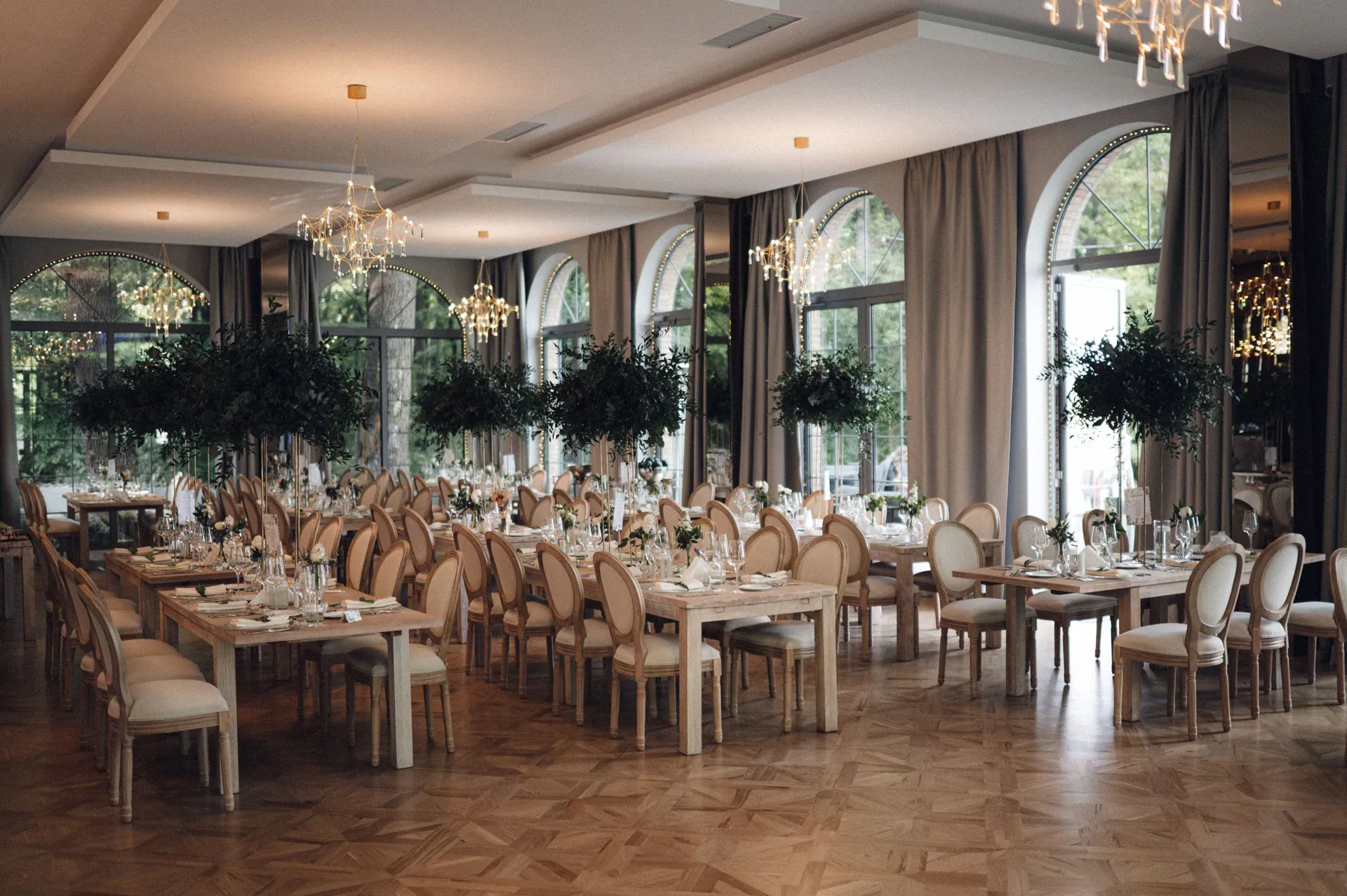
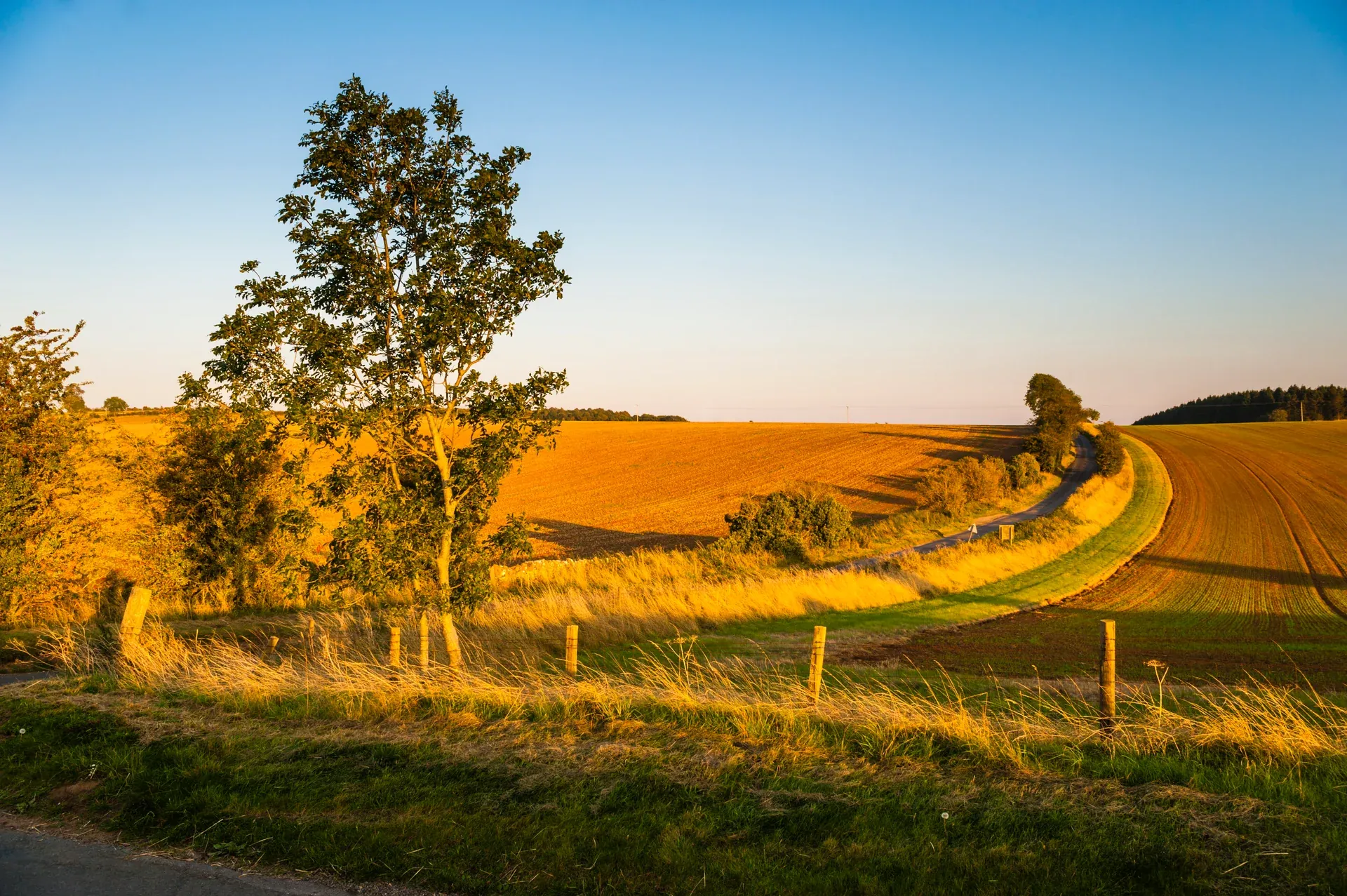
An English setting can give the celebration a familiar language while leaving its character entirely your own. The difference between a London day, a residential country-house wedding and a coastal gathering is often the time you spend together around the ceremony. Let that experience lead the shortlist; the photographs and finishing details can follow.
This is the first England-focused chapter of our United Kingdom destination collection. England is one part of the UK; it is not another name for the whole country. The practical comparisons below concern English settings. The legal references cover England and Wales where stated, and must not be carried across to Scotland or Northern Ireland.
Begin with three moments rather than a moodboard: where you would like to wake up, how you want guests to arrive, and what happens after dinner. A beautifully dressed room matters, but so does the ability to spend an unhurried hour with people who have travelled to be there. Decide whether the invitation is for one day or a hosted stay before adding welcome drinks and a farewell lunch.
Write down the guest count you are comfortable hosting, the nights you intend to cover and the decisions you will keep private until confirmed. That brief becomes your reference when photographs, optional upgrades and different venue packages begin competing for attention. Keep one attractive possibility outside the plan until its cost and practical implications are clear.
London: a city celebration with room to breathe
A London wedding can be built around a neighbourhood rather than an ambitious sightseeing itinerary. Choose a guest base near the celebration, leave an open morning for independent plans, and gather everyone for a single well-timed meal. The city works particularly well as an editorial starting point if you prefer a defined wedding day to taking over a property for several nights.
Historic architecture need not mean leaving the capital. English Heritage presents Eltham Palace in Greenwich, Kenwood in Hampstead and Ranger’s House by Greenwich Park as wedding settings. These are research starting points with different spaces and identities, not interchangeable recommendations. Ask each operator which rooms and grounds your actual proposal includes; a public visitor page or general event capacity is not a confirmed seated wedding layout.
Map the short journeys as carefully as the airport arrival. Where does a car wait during the ceremony? Can guests reach their hotel after dinner without changing shoes at the kerb? Is there a sheltered place to pause between photographs and the reception? A site visit should follow that complete route, including the entrance used by someone who cannot manage steps.
For overseas arrivals, Heathrow identifies the Elizabeth line as a connection between its terminals and London. Use the current operator information for the specific station and date, then arrange the final journey to the guest base. Avoid promising one universal airport transfer time: the terminal, luggage, onward connection and final address all matter.
Sources: English Heritage: London wedding settings · Heathrow: Elizabeth line connections
The Cotswolds: choose the house, then the guest base
The Cotswolds may appeal when the stay itself is part of the occasion: a first drink after check-in, a long dinner, breakfast without a hurried departure. Cotswolds Tourism’s wedding directory includes manor houses, estates, barns and hotels, with separate ways to explore accommodation and exclusive-use options. Decide which type of experience you want before collecting addresses across a large region.
An estate with a handful of bedrooms and a hotel with a substantial room inventory create different hosting decisions. Start a room list early, including who needs step-free access, who is travelling with children and who would rather stay elsewhere. Ask for the actual bedroom allocation available to your party, the release deadline and the financial responsibility for rooms left unfilled.
The village that looks close on a map may still require a planned return journey after the party. Put the venue, guest hotels, welcome meal and pickup points on the same route plan. Ask a transport provider about the vehicle approach, turning space, late collections and wet-weather waiting areas instead of assuming every country lane suits a coach.
Exclusivity deserves its own conversation. A private dining room, a reserved wing and use of an entire estate offer different boundaries. Our exclusive-use venue guide gives you a focused set of questions. For the English shortlist, mark the exact spaces, overnight access and staff handovers on each proposal; the phrase “exclusive use” alone does not settle them.
Cornwall: let the sea shape the pace
A coastal wedding is most convincing when the programme leaves time to enjoy being there. Cornwall’s tourism authority presents a range of wedding settings, including countryside properties, historic buildings and coastal hotels. That variety is a reason to choose an exact town and property early, rather than treating “Cornwall” as a single arrival point or a promise of a beach ceremony.
Think in two versions of the same day. One might begin with a view and drinks outside; the other should have an equally appealing place to gather indoors. Ask where guests leave coats, whether exposed paths can be avoided, and how the ceremony, drinks and dinner connect if the weather changes. A coastal outlook can remain the reason for choosing a property even when the celebration takes place inside.
Consider whether a smaller welcome gathering or a free afternoon would give guests more pleasure than another formal event. Share useful local options without turning them into obligations. If the beach features in your plans, confirm access, permissions, tides and any restrictions with the relevant local authority or land manager. An inspiration photograph establishes none of those arrangements.
Sources: Visit Cornwall: weddings
Three settings, three different questions
Use this as a first conversation between you, not a ranking of English regions. The right answer may change once you see the indoor room, hear the return-transport plan or understand the accommodation commitment. Compare those practical differences before deciding that one setting is automatically more private, more convenient or better value.
| Starting point | It may suit your plans if… | Resolve before booking |
|---|---|---|
| London | You want a city wedding with independent time around it. | Neighbourhood guest base, ceremony-to-dinner route and final journeys. |
| Cotswolds country house | Shared meals and staying together are central to the occasion. | Private-use boundary, bedroom commitment and late-night transfers. |
| Cornwall or a coastal setting | Time beside the sea matters as much as the wedding day. | Exact town, sheltered event flow and confirmed access arrangements. |
London
- It may suit your plans if…
- You want a city wedding with independent time around it.
- Resolve before booking
- Neighbourhood guest base, ceremony-to-dinner route and final journeys.
Cotswolds country house
- It may suit your plans if…
- Shared meals and staying together are central to the occasion.
- Resolve before booking
- Private-use boundary, bedroom commitment and late-night transfers.
Cornwall or a coastal setting
- It may suit your plans if…
- Time beside the sea matters as much as the wedding day.
- Resolve before booking
- Exact town, sheltered event flow and confirmed access arrangements.
Choose a season by the room as well as the garden
There is no single best wedding month for every English setting. Ask what you want the season to contribute: a garden-led reception, an early candlelit dinner, or a weekend organised around the interior of the house. Then test that idea against the date, the property’s working spaces and the experience of guests travelling from elsewhere.
The Met Office provides location-specific long-term averages for temperature, rainfall, sunshine and other climate variables. Those figures describe reference periods, not the forecast for your wedding. Compare the closest relevant locations and the variable that matters to your plans; a national average cannot tell you how a particular terrace or enclosed courtyard will feel.
For an autumn or winter shortlist, ask the venue to show you the celebration after daylight has gone. Assess the dinner lighting, the entrance from the car, the cloakroom and the transition to dancing. Discuss where portraits can happen indoors and whether guests can move between rooms without returning outside. Confirm heating arrangements and who makes the call on using each space.
A summer date still needs a complete alternative. Walk the dinner room with the intended table layout and guest count, then account for the band, service routes and accessible movement. If it works only after removing guests or changing the meal, it is a different event plan. Use our rain-plan questions before approving the final layout.
Sources: Met Office: location-specific climate averages
Read the proposal as a complete invitation
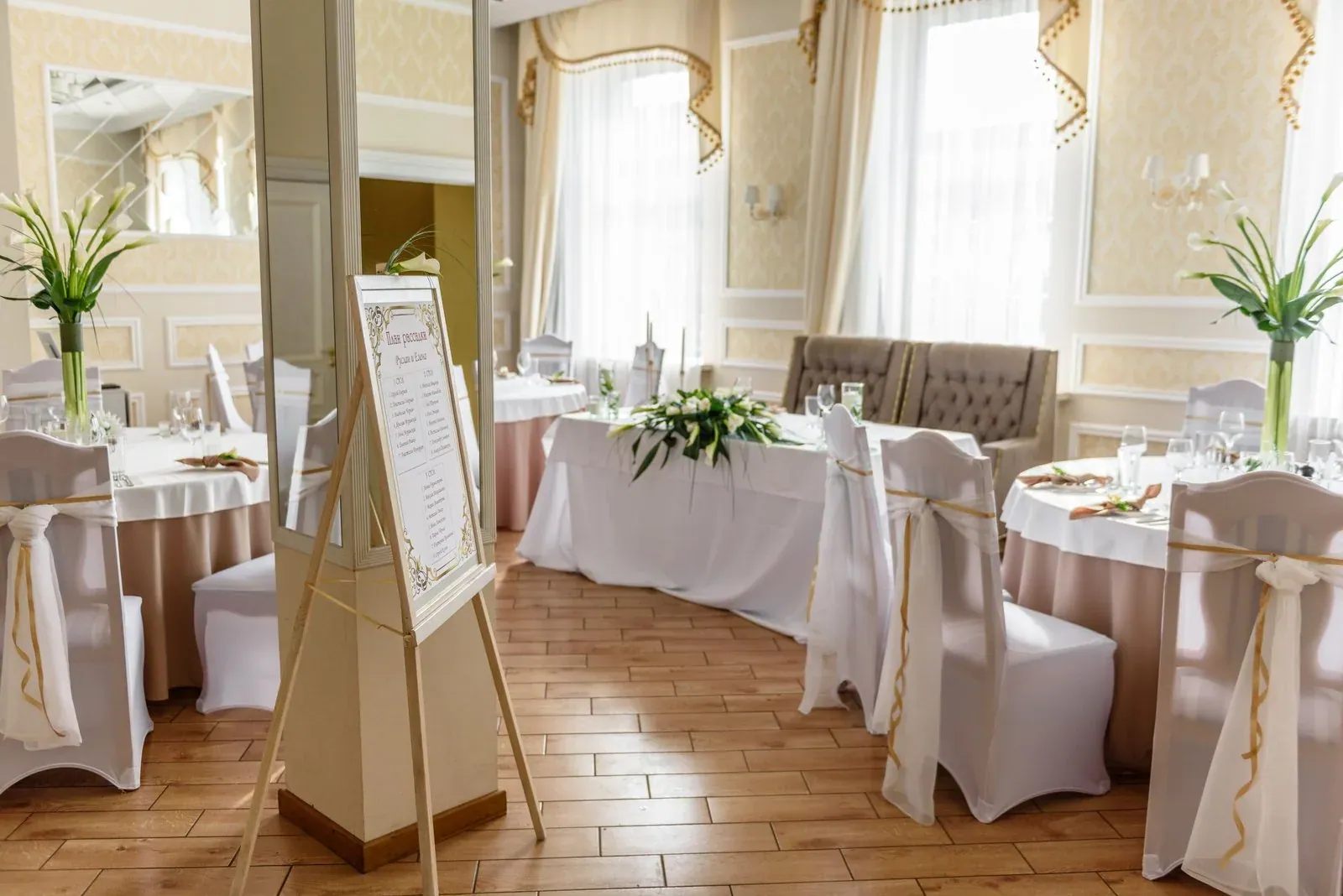
Begin with what you are actually inviting people to share. A venue hire price, a food-and-drink minimum and a residential package describe different commitments. Request a dated written proposal for the same guest count, event hours and nights at each property. Treat a website’s starting figure as a prompt for questions, not the cost of your finished wedding.
Separate the private spaces, accommodation, food and drink, production and staffing into visible lines. Ask how VAT, service charges, corkage, supplier meals and late finishing are handled where relevant. If a cost does not apply, mark it as not applicable rather than leaving a blank that can be mistaken for inclusion. These are comparison questions; terms vary by property and contract.
Imagine two hypothetical country-house offers. One includes the wedding day but expects guests to book nearby hotels. The other requires a two-night room commitment. The second may suit a shared weekend beautifully, yet it also creates an accommodation obligation. Compare the full scope and who pays each part before calling either offer more expensive or more generous.
Pay particular attention to the moment a tentative idea becomes a commitment. Ask when guest numbers, bedrooms, menus and supplier choices become binding, what the payment stages cover and which changes need written agreement. Seek suitable professional advice if a contract term is unclear. Keep the proposal, assumptions and later amendments together so the version you sign matches the day you intend to host.
For a small shortlist, send the same venue enquiry brief, then ask each team to answer the unresolved points in writing. Clarity here protects the creative decisions too: it is easier to design an elegant room when you know the access hours, furniture, lighting responsibilities and service plan.

Build the guest journey from the final stop
Start at the bedroom door and work backwards. A convenient arrival station is useful only when the onward journey is clear, the room can be accessed and there is somewhere for luggage before check-in. Design the plan around the people travelling, including older relatives, guests with access requirements and anyone carrying formal clothing.
National Rail’s timetable service provides journey planning and information about changes and engineering works. Check the actual travel date when services are available, then recheck before departure. A timetable seen during initial venue research is not a guarantee for the wedding weekend. For a rural celebration, separately confirm the station-to-hotel transfer and the last useful return connection.
Give guests one concise travel note: the correct property entrance, check-in arrangements, hosted transfer details, what they need to book themselves and a contact for practical changes. Keep sensitive access or dietary information out of group messages. Ask guests to share those details privately with the responsible coordinator, and confirm that the information reaches the people delivering the service.
A room block can make the weekend feel connected without making every stay compulsory. Explain which nights you are hosting, whether there are alternative hotels and when any held rooms are released. Leave some unscheduled time between gatherings. Our guest accommodation comparison helps separate the pleasure of staying together from the commitments that make it possible.
Sources: National Rail: timetables and service changes
Let the setting edit the wardrobe
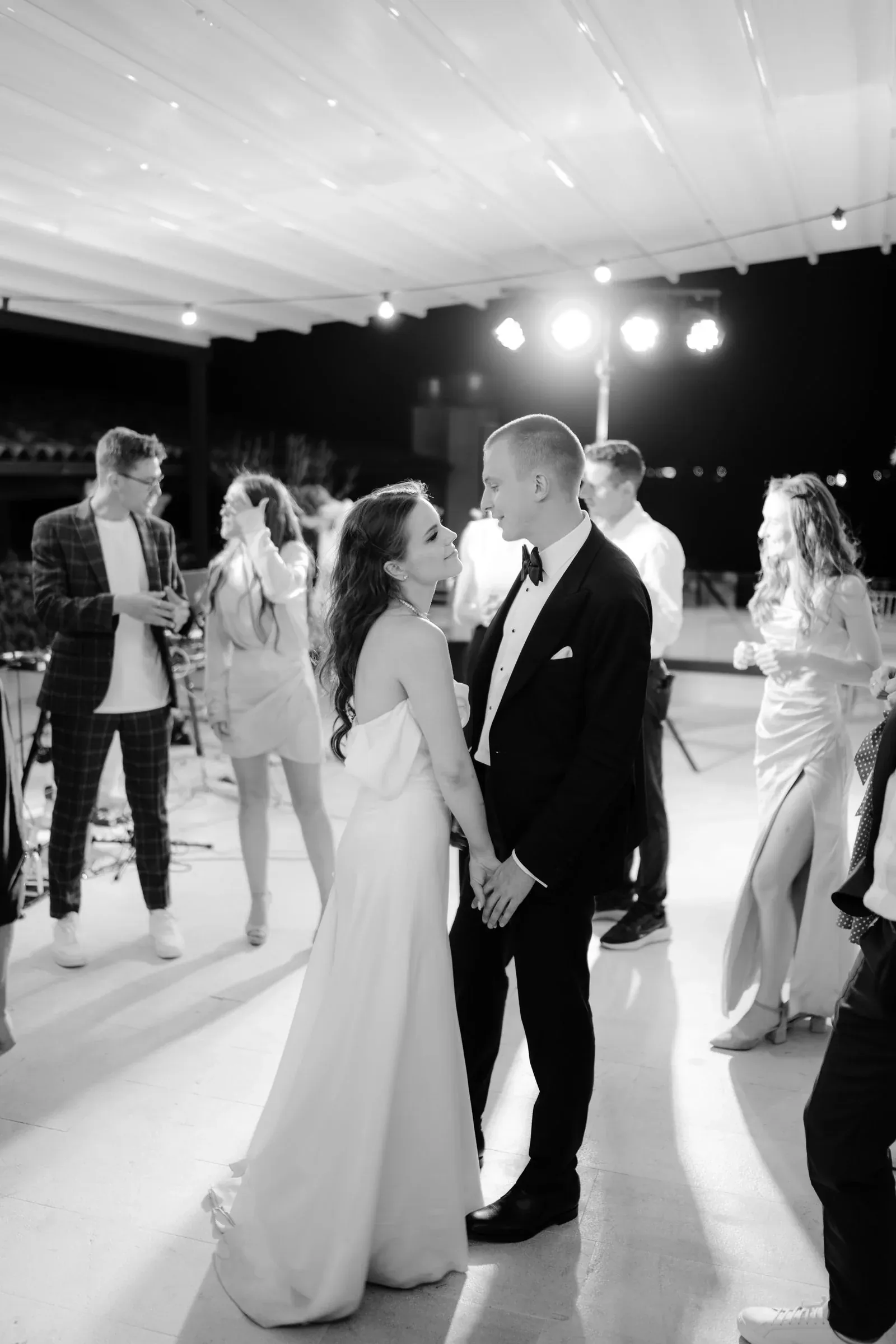
Bring the confirmed venue route to your bridal appointment. A long entrance, gravel path, stairs and a seated dinner each ask something different of a gown. Try the movements that belong to the day: sitting, turning, climbing a step and accepting an arm. Discuss adjustments, support and garment care with the specialist fitting the piece.
For a country-house celebration, consider the transition between the garden and interior rather than choosing two unrelated looks. A layer for the journey, a practical way to manage the train and time for changing can be part of a coherent wardrobe. Arrange a dry place to store the dress and establish who will help at the point where you actually need assistance.
A city wedding might invite a sharper evening silhouette; a coastal weekend might call for a different balance of fabric, movement and layers. These are styling directions to explore, not dress-code rules. Use the invitation to tell guests what the occasion requires, including a clear distinction between black tie and black-tie optional where relevant.
If you plan an outfit change, give it a purpose and a realistic place in the programme. Protect a short interval rather than disappearing during a meal you wanted to share. Continue with our wedding wardrobe edit and black-tie guest guide when you are ready to refine the details.

Keep the legal ceremony on its own planning track
First decide whether the event you are arranging includes the legal marriage or a celebration held separately from it. A celebrant-led occasion, a religious ceremony and a civil ceremony can involve different arrangements. Ask the relevant authority and venue to confirm the route for your circumstances before paying deposits on the assumption that a particular ceremony will be possible.
For civil ceremonies in England and Wales, the GOV.UK guidance identifies register offices and venues approved by the local council, requires a registrar to carry out or attend the ceremony, and requires at least two witnesses. Confirm the exact ceremony location, approval and registrar availability directly. A garden, beach or private house appearing on an inspiration board is not proof of approval.
The current notice guidance states a minimum of 29 days before the ceremony and that the ceremony must take place within 12 months of giving notice. Residence, nationality and immigration circumstances can affect the process; the guidance also identifies distinctions for some religious ceremonies. Build in time to confirm appointments and documents with the register office rather than treating the minimum notice period as your whole planning timetable.
These references do not establish an individual couple’s eligibility. Check your position with the local registration authority and, where relevant, your own consular or immigration authority. Scotland and Northern Ireland have separate rules; research them separately if your plans move beyond England.
Sources: GOV.UK: marriage and civil partnership rules · GOV.UK: plan your ceremony · GOV.UK: give notice
Leave the shortlist with one clear next step
Choose two or three properties that support the same version of your celebration. Prepare one page containing the date range, likely guest count, hosted events, overnight needs, desired ceremony and a clear indoor alternative. Share the same information with every team so the answers can be compared without reconstructing a different wedding for each proposal.
After a visit, record what changed your mind. Perhaps the smaller dining room felt more intimate, the accessible route was longer than expected, or the arrival arrangement required another vehicle. Keep those observations alongside the photographs. They are more useful to a final decision than another collection of attractive rooms without the context of how your guests will use them.
Ask your preferred team to return the revised scope, unanswered questions and next commitment in writing. Once the setting, guest base and ceremony route agree with one another, let that clarity guide the table, wardrobe and atmosphere. The point of this early work is to give you more room to enjoy the people and the place you have chosen.
Sources
Something needs a closer look? Our corrections approach.